




































































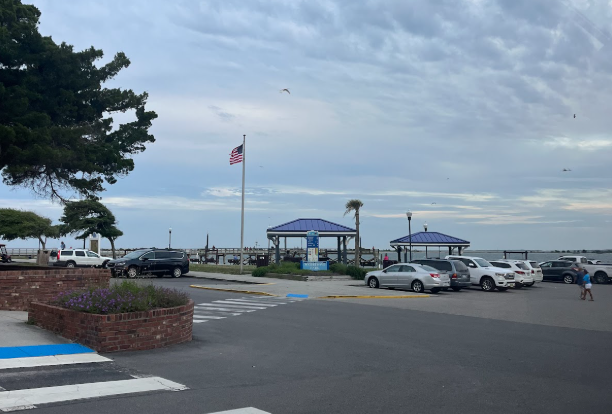

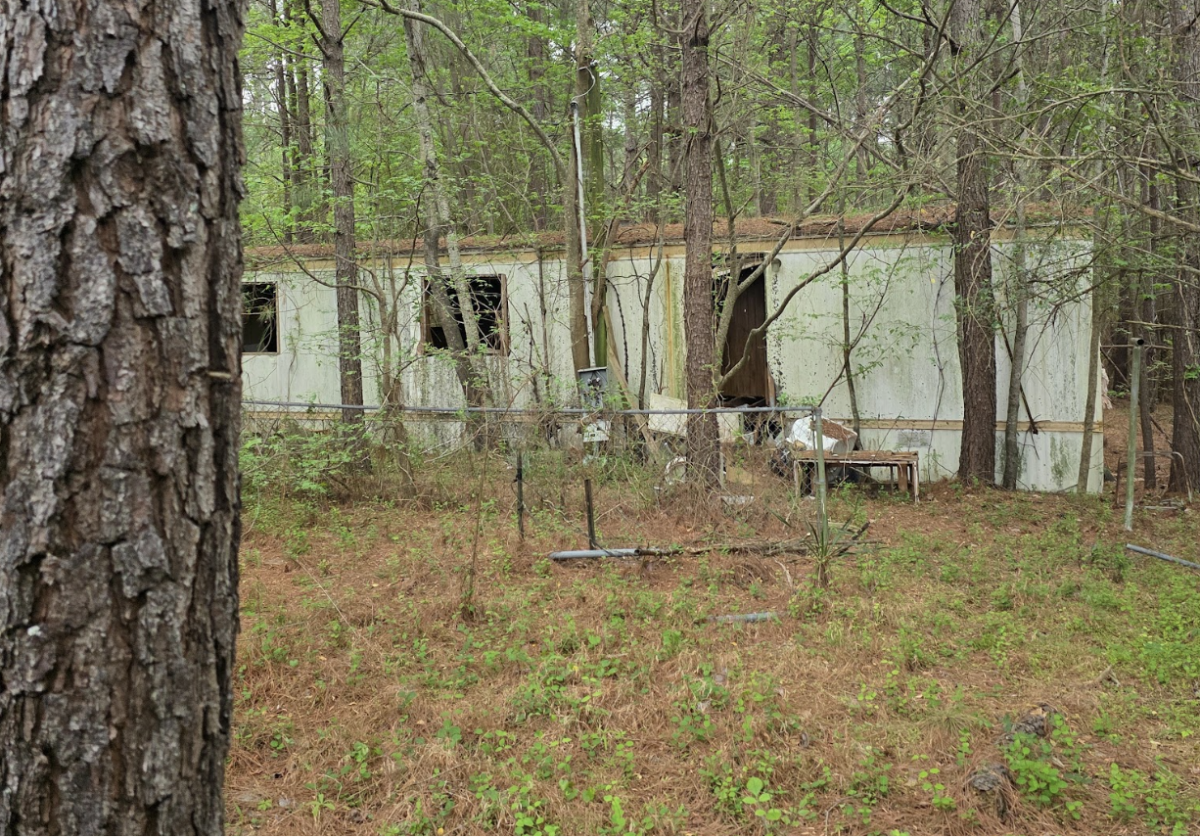
Cary, North Carolina, is known today as one of the fastest-growing and most successful towns in the state and even in the country. With modern neighborhoods, shopping centers, parks and schools, Cary has built a reputation for being safe and organized. However, beneath this polished image lies another side of Cary’s history, one made by abandoned buildings, vacant neighborhoods and burned industrial buildings that tell the story of how the town has changed over time.
Abandoned buildings often represent transition. They may once have been homes, businesses or warehouses before economic shifts, redevelopment or disaster left them empty. In Cary, several well-known examples have captured local attention.
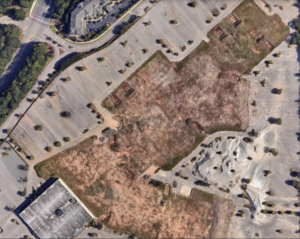
One of the most famous abandoned sites in Cary in recent years is Cary Town Center, located at 1105 Walnut Street. Originally opened in 1979 as Cary Village Mall, it became one of the area’s most popular shopping places for decades. Like many malls across the United States, Cary Town Center began to decline as online shopping increased and newer retail centers opened. Major stores closed, smaller businesses left, and large sections of the mall became empty. By 2021, the mall officially shut down. After sitting largely vacant, it was demolished for redevelopment. Though no longer standing, it remains one of Cary’s most remembered abandoned buildings.
Another noticeable older abandoned property is 3238 High House Road. This property is covered in fiberglass and graffiti. Located in the rapidly developing western side of Cary, this building stands out because it reflects an earlier version of the area before neighborhoods, shopping centers and roads transformed it. This warehouse also has many smaller abandoned buildings across the road from it, including houses, sheds, broken cars, and boats. It’s interesting to see how an area inside a developing part of town is completely ruined by nature and humans.
Abandoned buildings may seem exciting or mysterious to explore, especially when they look vandalized and overgrown. Many people are curious about what is inside these vacant houses, warehouses and other properties. However, exploring abandoned buildings can be extremely dangerous and should be avoided.
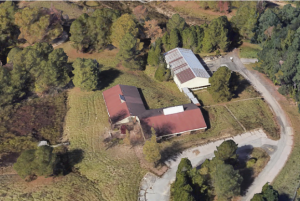
One of the biggest risks is structural damage. Floors, stairs, ceilings and roofs in these buildings may be weak from age, water damage, fire damage and neglect. Even if one small thing goes wrong, it could cause serious injury or death. Another danger is broken glass, rusted nails and sharp debris. There are also health hazards. Older buildings may contain mold, asbestos, animal waste, insects or poor air quality. Stuff like mold spores and dust can cause illness when inhaled. Some abandoned buildings are also home to wildlife like snakes, raccoons, rats, and more. When disturbed, these animals can cause serious harm.
Legal problems are another major issue. Some abandoned buildings are still private property. Entering without permission can be considered trespassing and may lead to fines and police involvement.
In towns like Cary, older homes and other buildings stand out as reminders of how fast a place can change. However, even if these sites may seem exciting to explore, they also carry serious hazards like health problems, weak structure, wildlife and more. Appreciating these properties is best done by photography and history rather than risking your own life.