






























































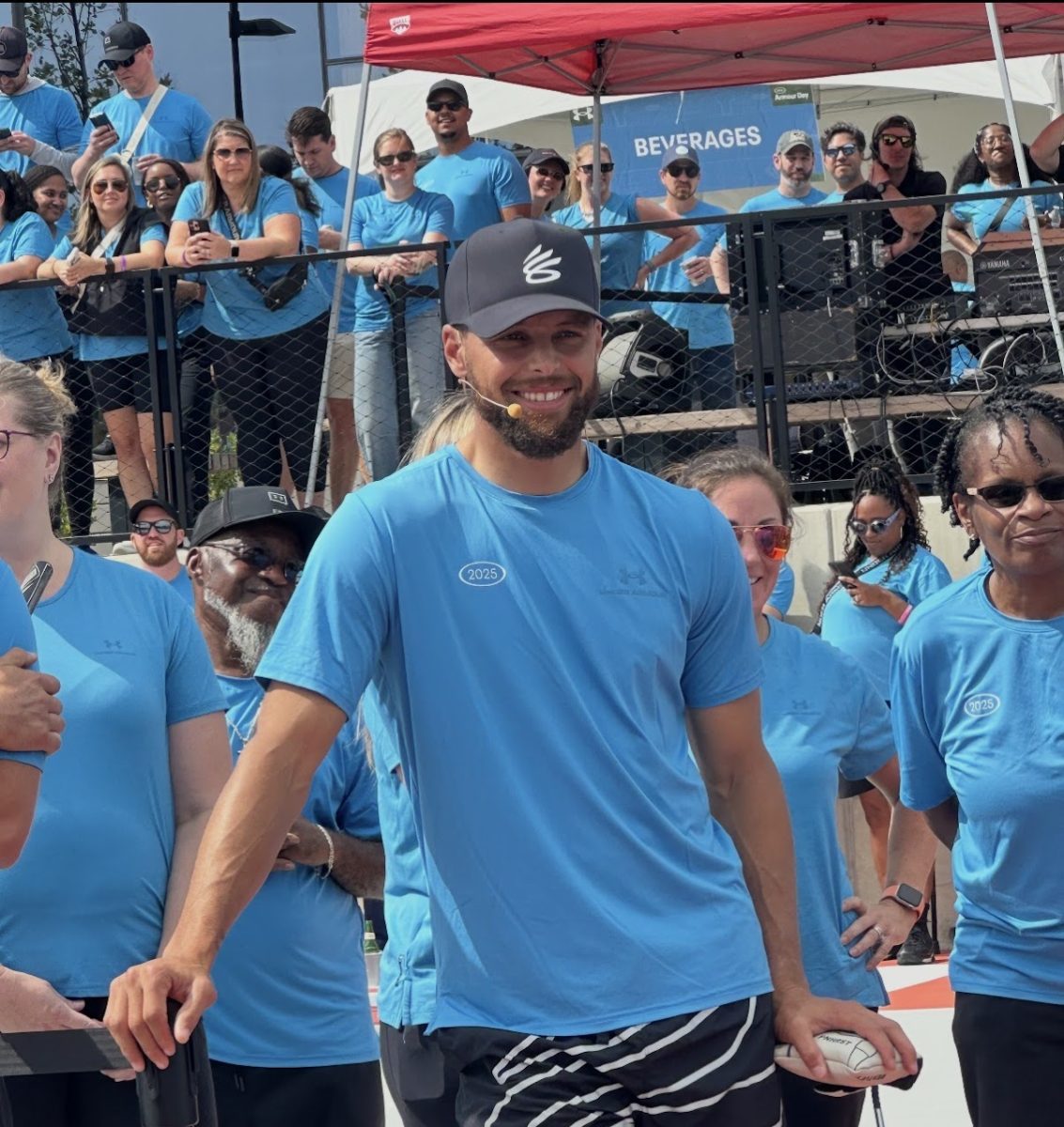
In October 2013, Under Armour signed Stephen Curry, and in 2023, Curry was Under Armour’s largest signing ever, earning a lifetime contract with $75 million per year. The recent split between Stephen Curry and Under Armour marks the end of one of the most influential partnerships in basketball history. After more than a decade together, the separation reflects both business strategy and changing brand identity.
Curry joined Under Armour in 2013 and quickly became the face of its basketball division. Over time, the partnership helped create “Curry Brand,” a major part of the company’s identity. Under Armour CEO Kevin Plank described Curry as more than just an athlete, calling him a “thoughtful and strategic business leader” who helped build “a brand with credibility, community impact, and product that performs at the highest level.” Curry’s global popularity, especially in international markets, made him one of the most valuable athletes in sports marketing.
The GH Falcon met up with Under Armour Business analyst Kiara Williams, and she said: “His impact was significant because he was popular in the Asian market, and it will take a big hit money-wise from Under Armour.” This reflects a broader concern: losing a global superstar like Curry could weaken Under Armour’s basketball presence and international reach.
The separation was officially mutual, but it came during a major restructuring phase for Under Armour. The company has been working to refocus its strategy amid declining sales and increased competition. Plank stated the move was about “discipline and focus on the core UA brand,” while allowing Curry to grow independently. Williams shared, “No clue of why he broke up and never really talked about it in the Under Armour community.” However, reports indicate the split aligns with restructuring efforts and Curry’s desire to expand his brand independently.
Curry was Under Armour’s biggest basketball asset, helping it compete with major brands like Nike. Williams stated, “Steph was the biggest shoe driver… we don’t have another athlete that’s known for a signature shoe, so we need to find another athlete.” This highlights a key issue: Under Armour now lacks a clear face for its basketball division, which could hurt its ability to compete in the sneaker market.
Moving forward, Under Armour must rethink its marketing and audience strategy. Williams said the company “Truly needs to find a target… we are targeting 16–24 year olds, and I don’t know if the athletes we have and influencers are targeted to that age range.” This reflects a growing challenge in sports marketing connecting with younger consumers who are heavily influenced by culture, social media, and athlete identity.
Despite the risks, the split also creates opportunity. For years, Curry was so closely tied to Under Armour that the brand itself sometimes took a backseat. As Kiara put it, “Potential to reshape Under Armour so it can be its own identity… now it leads to an opportunity for people to actually think about Under Armour instead of Steph.” This aligns with the company’s goal to refocus on its core brand and long-term growth strategy.
Under Armour will release one final shoe, the Curry 13, in 2026 before fully ending the partnership. Meanwhile, Curry Brand will operate independently, giving Curry the freedom to expand his influence and potentially partner with other companies.
The breakup between Stephen Curry and Under Armour is more than just a business decision; it’s a turning point. For Under Armour, it’s a chance to rebuild its identity and find new stars. For Curry, it opens the door to even greater independence and growth. As both move forward, the sports world will be watching closely to see who benefits most from this major shift.



Sonia Barbre • Apr 16, 2026 at 2:03 pm
Great story! Learning more about Curry moves and UA.
Thank you!