








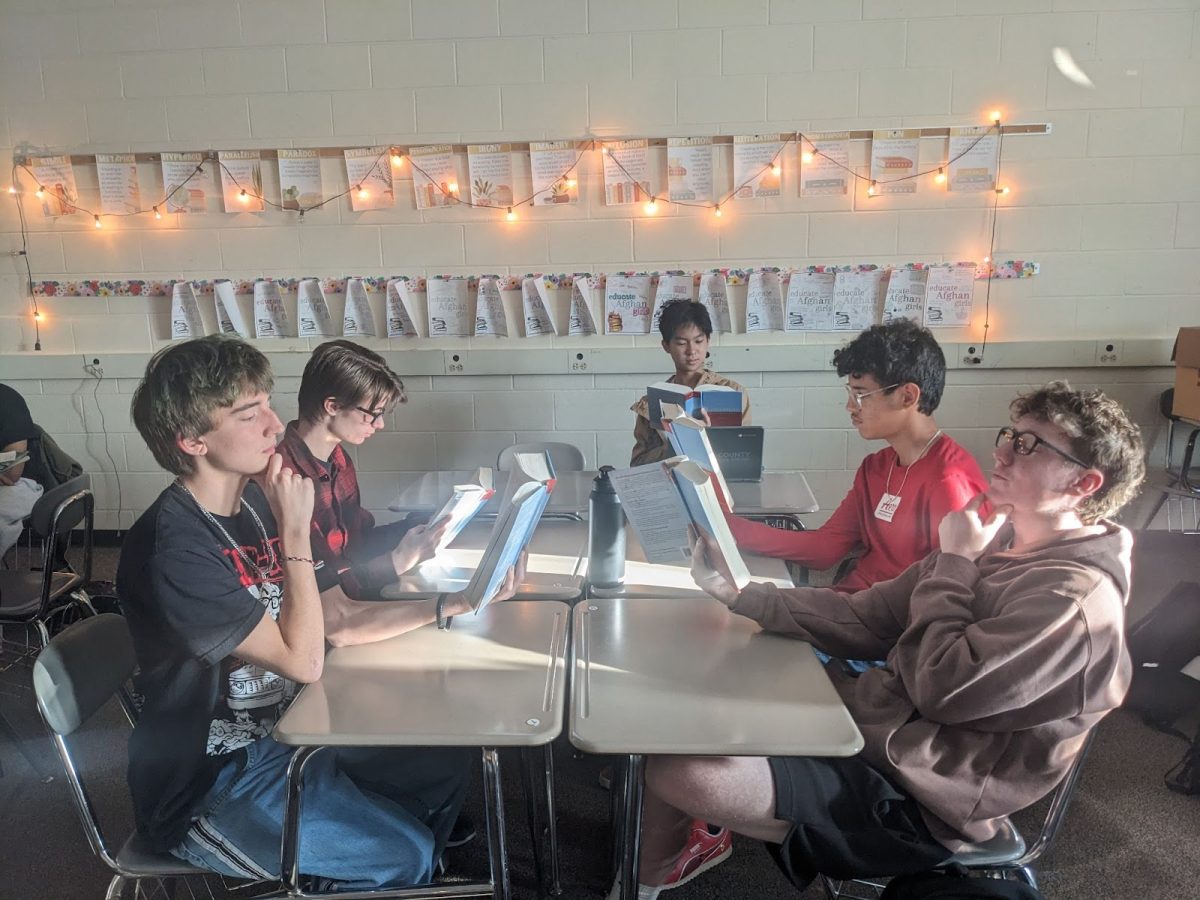





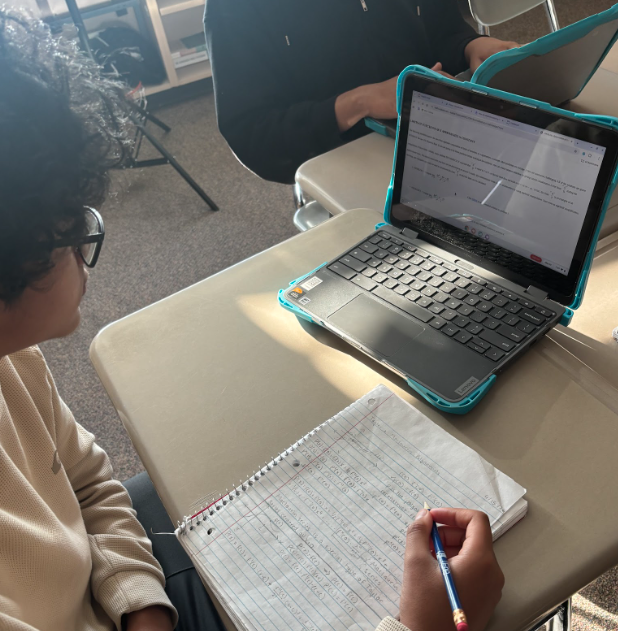




















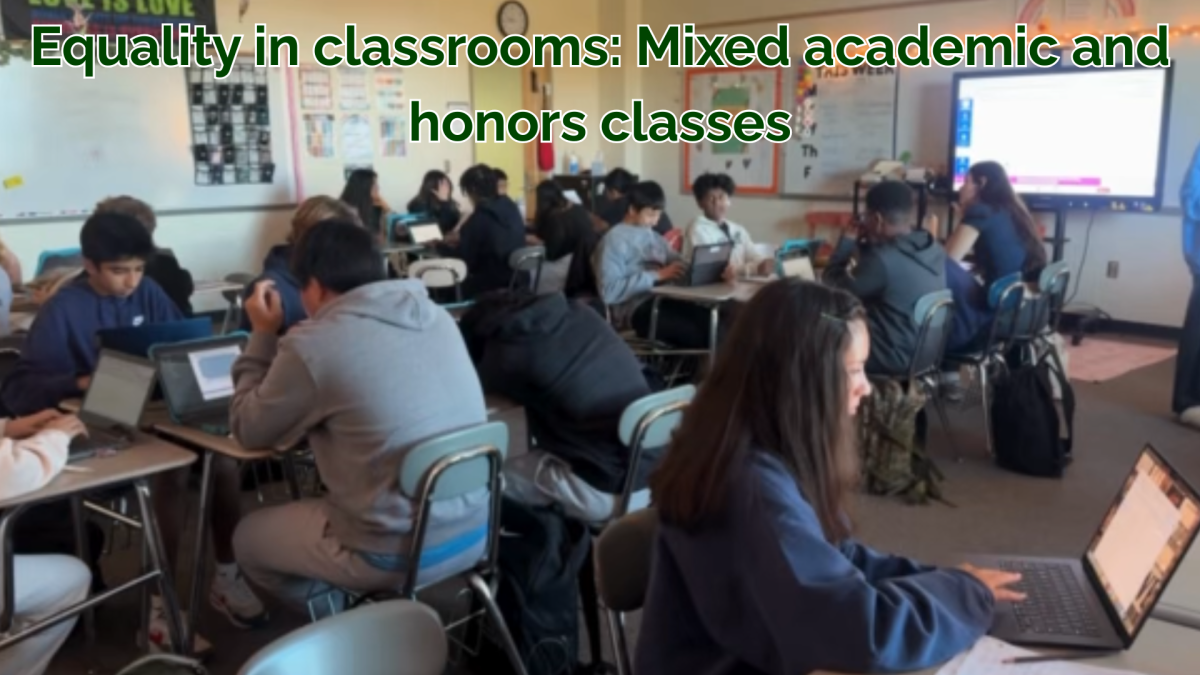











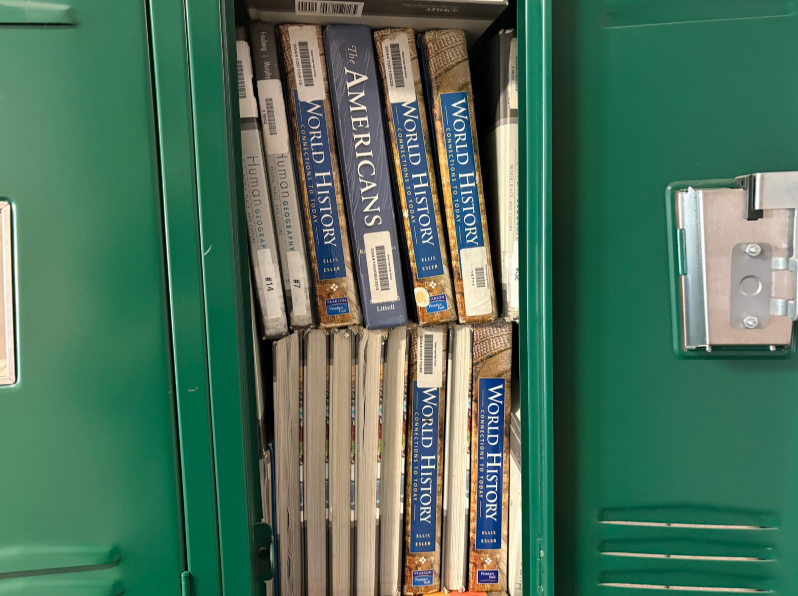
At Green Hope High School, physical textbooks are being replaced with school-issued Chromebooks as classes shift towards digital learning. This shift is not unique to the school, but rather the broader change in how content is presented and completed in classrooms.
Due to the COVID-19 pandemic, remote learning has been integrated into the majority of school districts across the nation. One-to-one device programs are utilized by 88% of school districts to provide students with portable devices.
- Chromebooks make up 90% of student-issued devices in North Carolina
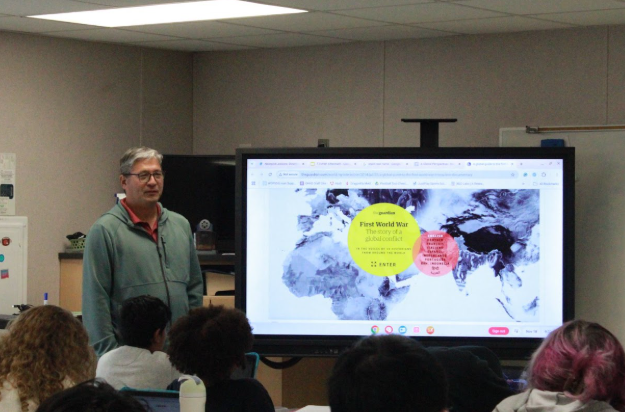
At Green Hope, assignments are distributed and completed on shared platforms such as Google Docs and Canvas. This shift has eased the process of finding and grading assignments in comparison to their physical counterparts.
English teacher Mr. Coby Coyle said the transition has made classwork more accessible.
“It’s more convenient for students to be doing things on a laptop,” Coyle said. “There is no worry of kids losing assignments when all they have to do is log in.”
Similarly, students have been in favor of the digital transition. Green Hope alumnus Alex Thomas (‘20) discussed the flexibility of having a Chromebook and access to Google.
“If you don’t understand something or want a different perspective, the Chromebook is better,” Thomas said. “You can carry it home and to school to use it whenever, while textbooks are class-bound.”
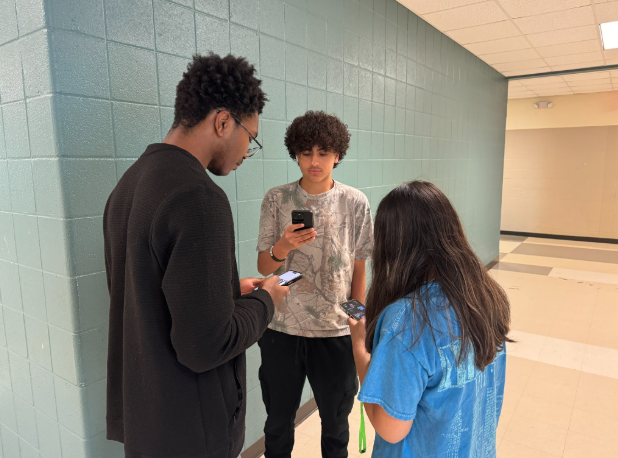
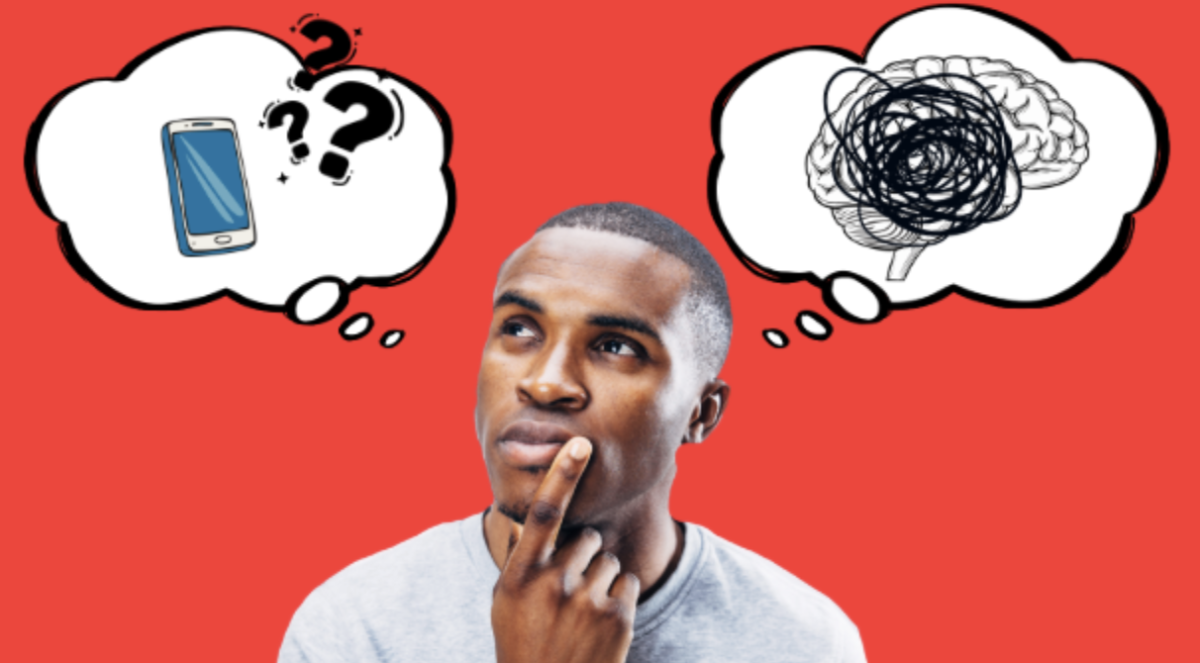
Despite the positives, devices create distractions during educational periods and can be used to cheat. Research has also suggested that handwritten notes allow for deeper cognitive processing and memorization than typing, leading educators to question students’ understanding of content.
“It is not necessarily better from a learning standpoint,” Coyle said. “It makes things easier to manage, but it can also be incredibly distracting.”
While physical textbooks are still available for student use, their role has diminished. At Green Hope, the relationship between education and technology has continued to grow as educators weigh the efficiency and flexibility against the impact on student focus and understanding.