



















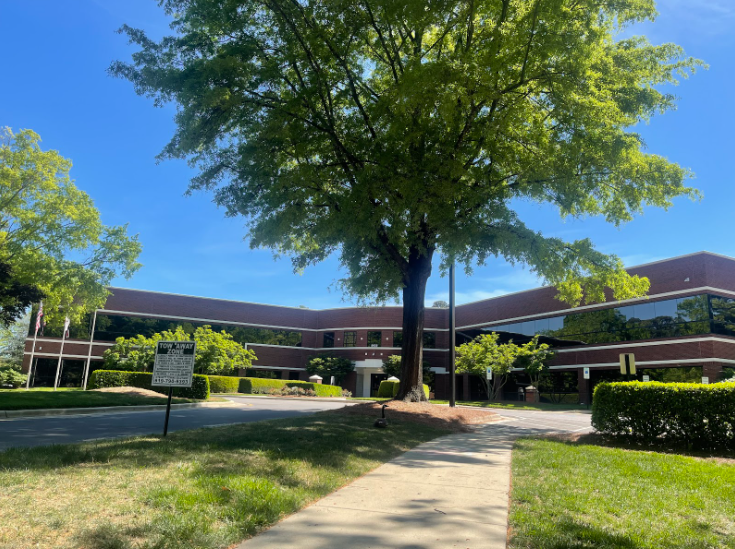















































Everyone’s heard the saying, “The grass is always greener on the other side.” This adage originates from an ancient Latin proverb that translates, “The harvest is always richer in another man’s field.” highlights the human tendency to envy others situations. However, it also hints at something else: the American obsession with lawns. The massive scale of lawns in the U.S. contributes to a legion of environmental and practical issues such as depleting water resources, driving out wildlife and contributing to pollution. Replacing these single-plant lawns with well-placed native foliage will reduce waste and benefit the environment.
The most commonly used lawn grass varieties in the United States include Kentucky Bluegrass, Bermudagrass and Tall Fescue grass, none of which are native to North America. Most were brought over by settlers from Europe, Africa or parts of Asia for decorative purposes. The history of these lawns go back to 17th and 18th century European countries like France and England where the immaculate, level green lawn became a status symbol simply because it was so useless— demanding a lot of maintenance, but serving no practical purpose.
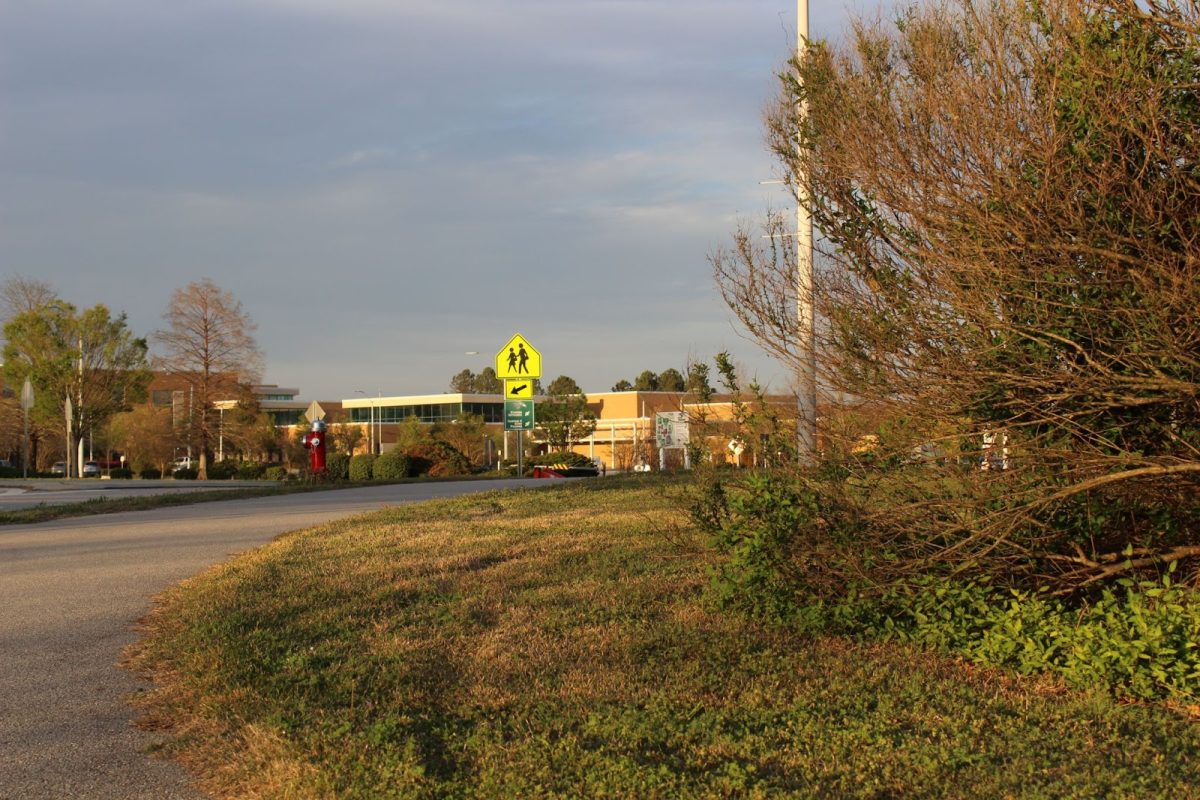
The American’s love for lawns continues today, but it’s time for a change. The grid-like suburban neighborhoods of the U.S., though deceivingly green, are closer to ecological deserts. These single-plant monocultures do not provide food or habitats for native wildlife, and drain water resources. Runoff from chemical fertilizers and pesticides pollute our bodies of water, leading to algal blooms and poisoning freshwater ecosystems by reducing dissolved oxygen levels. Gas emissions from lawn maintenance and soil erosion are less noticeable issues, but with the scale of the lawns in the U.S., it tallies up. According to an article by the National Aeronautics and Space Administration (NASA), the land covered by lawns in the U.S. is greater than by any other agricultural crop, surpassing three times the acreage of corn.
So how does this add up? The EPA states that nearly a third of residential water use in the U.S. is used to irrigate lawns, totaling nearly 9 billion gallons per day. In many cases, inefficient or unnecessary watering contributes to even more water loss. This water use can be drastically reduced with the replacement of lawns for native plants, which, once established, require little water beyond normal rainfall. Additionally, the NOAA identifies residential fertilizer use as one of the contributing factors for the approximately 15,000 bodies of water in the U.S. with excess-nutrient related issues.
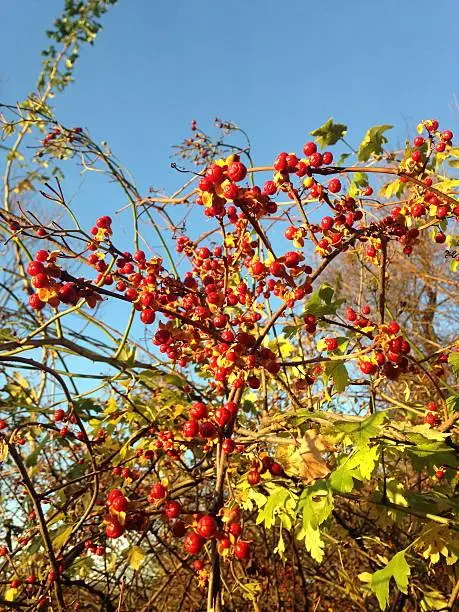
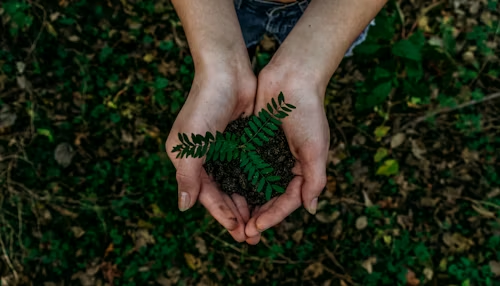
Environmentally, the best alternative for grass lawns are native wildflowers and plants. These are beautiful, ever-changing and provide the basis for a thriving ecosystem in people’s backyards. Creating a smart garden takes a lot of work, and depending on the layout, it can require constant upkeep. However, native varieties of plants have many superior qualities that make them worth the effort: they are more drought-resistant, require less upkeep, contribute to the ecosystem and build climate resilience.
Unfortunately, redesigning their whole backyard from lawn to garden is not possible for everyone. Some choose to go a different route, such as alternative plant cover like clovers instead of grass, which have much lower irrigation needs and rarely require fertilizer. Though the types of clovers used for this purpose are also nonnative, they stay green throughout the year with much smaller water needs and are overall much lower-maintenance than traditional lawns because of their slow growth rates.
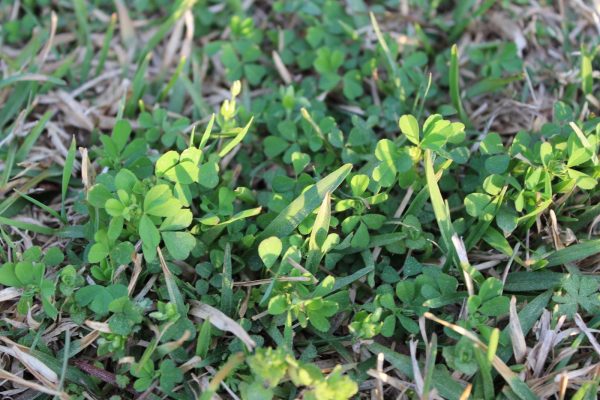
Most of the commonly used grasses in N.C. are nonnative— chosen for their looks. The most widely used type in the state is Tall Fescue, a variety introduced from Europe that is considered invasive when it escapes to natural areas. Perennial grasses native to N.C. such as Nimblewill are considered undesirable weeds in traditional lawns because they become dormant, or turn brown, during the winter and spring, and people make great efforts to remove them. However, these grasses provide shelter and food for native wildlife, not to mention needing less fertilizer and water.
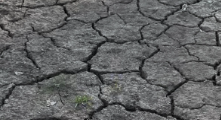
A less conventional solution involves completely removing all plant cover, usually to replace with gravel, called xeriscaping. This is primarily being implemented in the Southwestern dry regions of the US like the Las Vegas region of Nevada, California and Colorado. California is one state where, pushed by abnormal levels of drought and the threat of running out of water, many programs have been created to incentivise homeowners to switch to more experimental lawn styles. Many neighborhoods have gone from patchy green lawns to gravel yards, with small bits of drought-resistant plants scattered in between. Even in states like N.C., where most counties are experiencing moderate to severe drought according to the U.S. Drought Monitor, these changes may soon be mirrored.
The success of this strategy depends on the degree to which the layout is planned for long-term success and the incorporation of native and drought-resistant plants into the garden. If planned well, these gardens will require no additional irrigation and support plant life while being visually appealing. However, when poorly executed, these gardens can transform neighborhoods into ovens as gravel tends to absorb heat and can create what is called an urban heat island effect. While removing almost all plant cover is not likely to support climate resilience, now is the time to explore smarter designs and alternatives.
The best backyard is one that looks and sounds like a national park— colorful, changing with the seasons and not an evergreen carpet to coddle. Currently, the varieties of grass used for our lawns leave communities ill-prepared for the effects of climate change, depleting water resources, polluting ecosystems, contributing to carbon emissions and wasting space that could be used for denser foliage and wildlife. Though unconventional, native wild gardens and varieties of grass that rest during the winter to revive in warmer weather will build climate resilience and benefit homeowners in the long-run. The scale of the impact that our lawns have on the environment we live in serves as a reminder that the choices we make in designing our own homes impacts far more than us, from our community to our wildlife and climate.