
















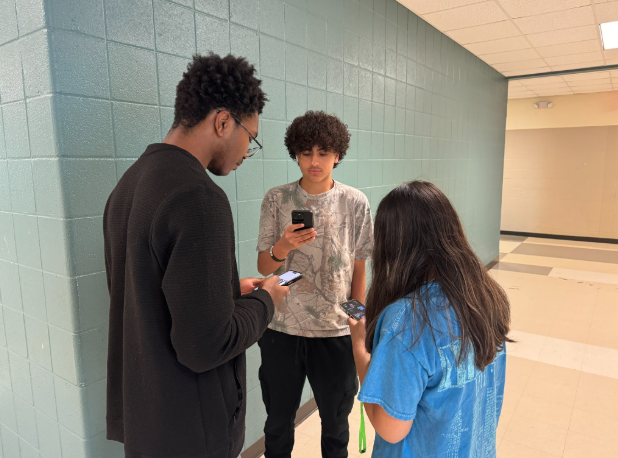








































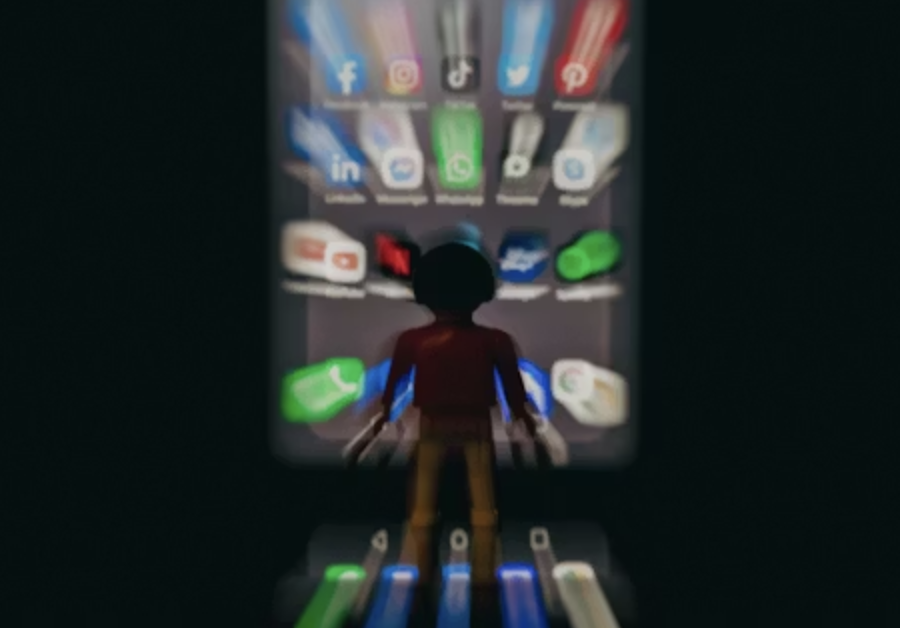
Social media is a normal part of life for many people. Apps like Instagram, TikTok and Snapchat are used every day to share photos, watch videos and talk to friends. Social media can be fun and useful, but it can also become a problem when used too much; this is called social media addiction.
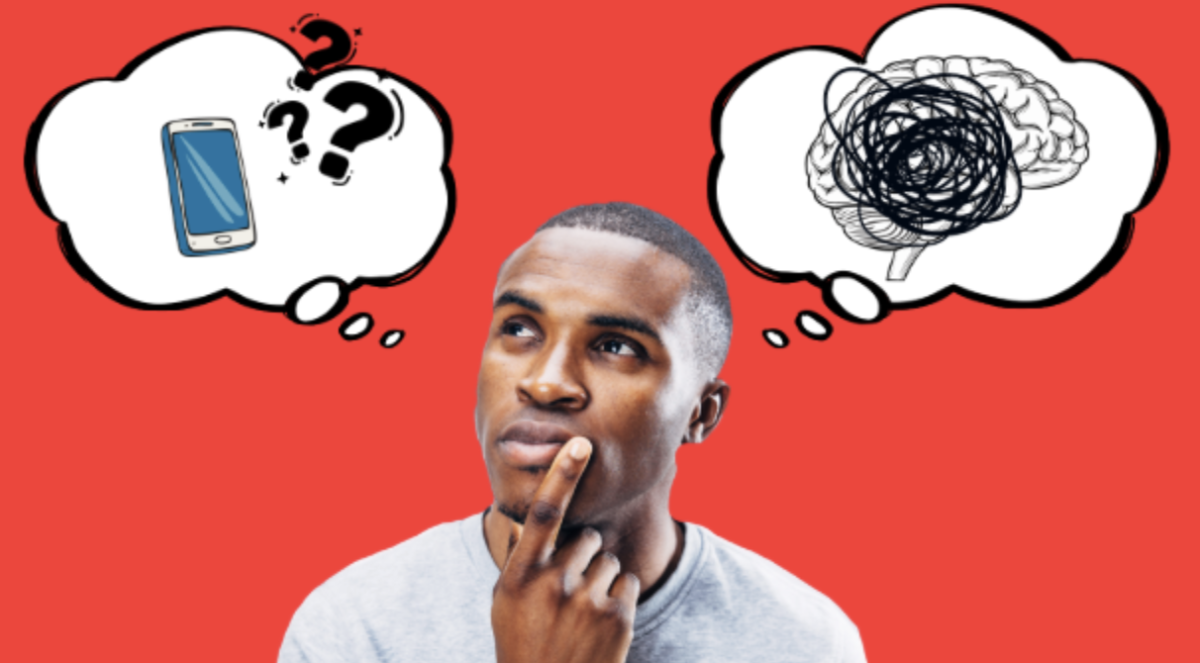
Social media addiction happens when a person feels like they cannot stop using social media. They may check their phone a lot and get upset when they can’t go online. It becomes a problem when it starts affecting school, work, relationships and sleep.
There are many reasons why people get addicted to social media. One reason is that apps are designed to keep people interested. When someone gets a like on their post, it makes them happy and more likely to return to that app. This happens because the brain releases dopamine, a chemical related to pleasure. As the next hit of dopamine could be just one scroll away people often find themselves hooked up for hours without even realizing it.
There are several signs of social media addiction. A person may spend hours online. They may ignore work, studies and physical activities because they can’t stop being on social media. People might stay up late so that they can be online more, which makes them feel tired when they wake up. Some might also compare themselves to people online and start to feel bad about their own lives.
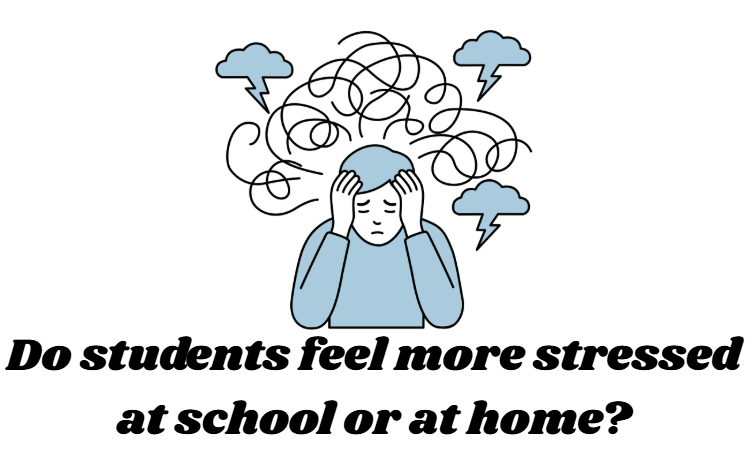
Social media addiction can also affect mental health. Most people only post the good stuff in their lives. They share pictures where they look happy and successful. When other people see this, they may think everyone has it better than them. This may lower their self-esteem. Cyberbullying is another big issue. Harmful comments or posts can make people feel unhappy or bad about themselves.
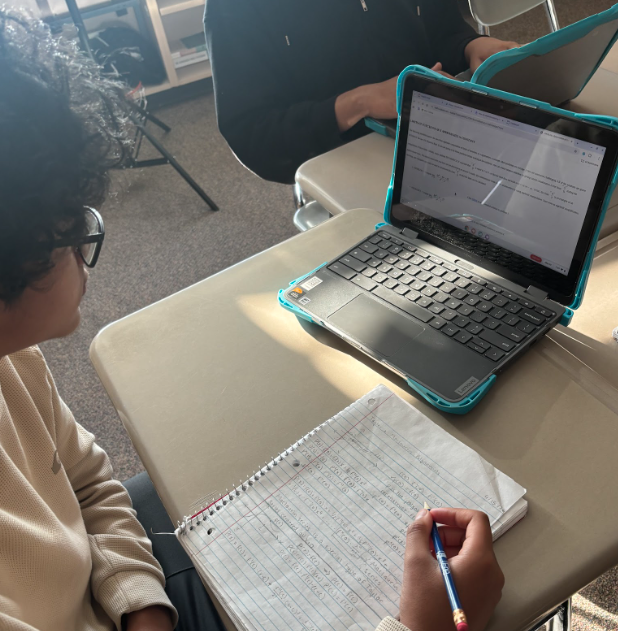
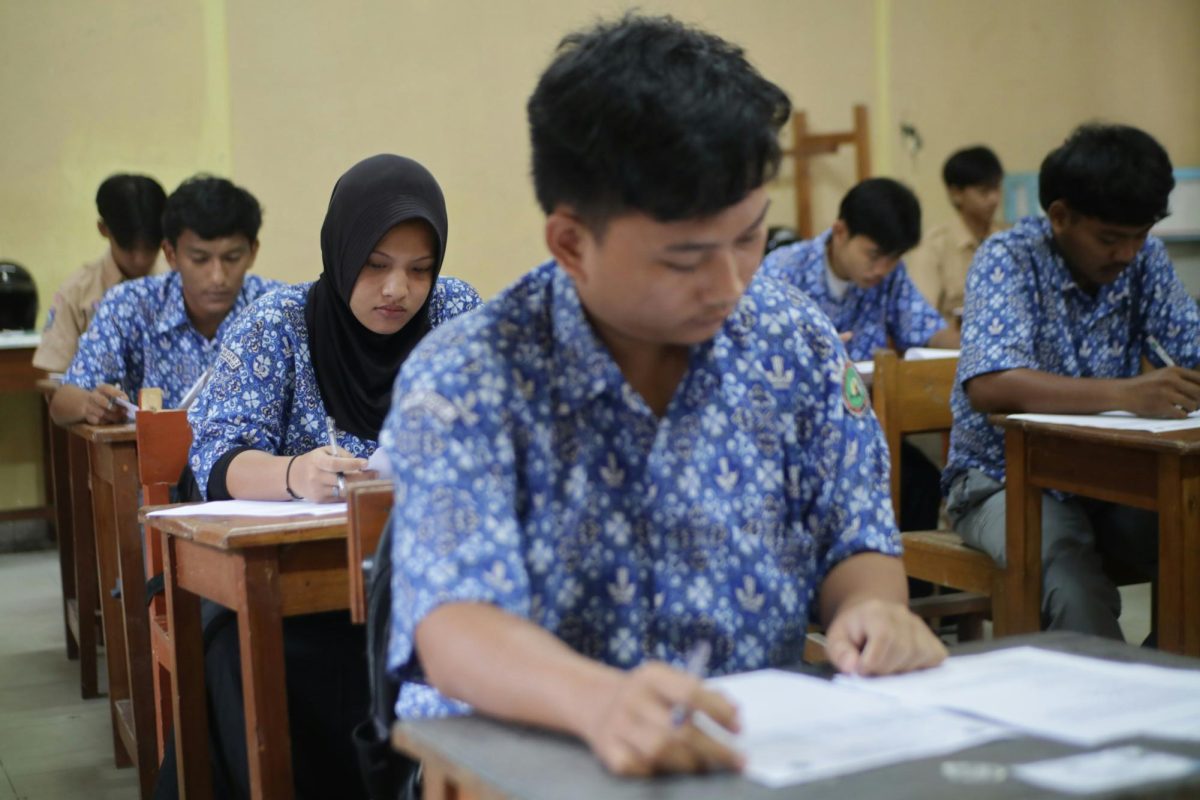
For teens who are addicted to social media, school performance can be affected, too. Spending too much time on social media may reduce the time they spend studying. It might become hard for them to concentrate on lessons and homework. Overall grades may drop, and attendance might be affected.
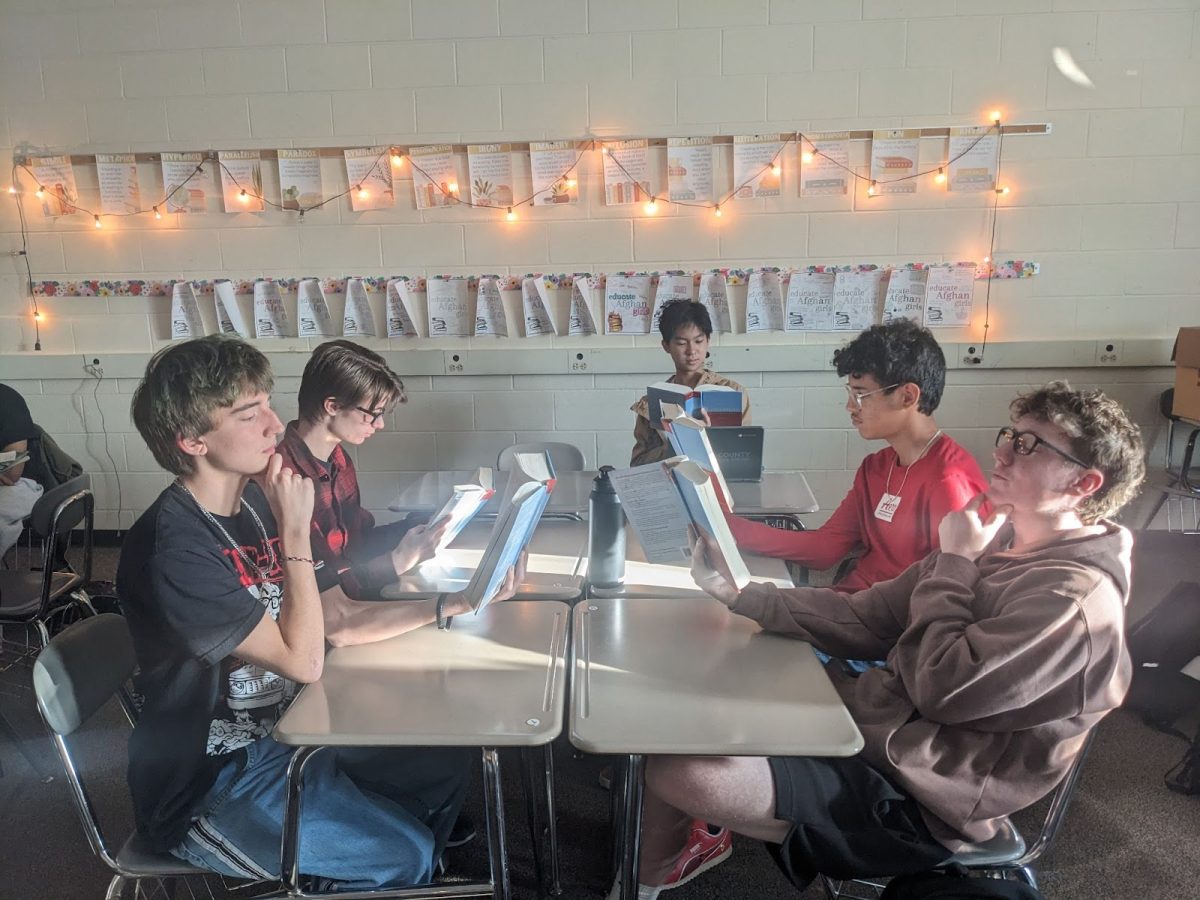
There are ways people can reduce social media use. One way is to set daily limits for usage; stopping or reducing the consumption of short-form content may also help; keeping your phone out of your bedroom at night might increase sleep; finding other activities like reading, sports, or just spending time outside can also help replace time spent online.
Social media is not completely harmful as it helps people stay connected and learn new things. However, it is important to use it in a healthy and controlled way. When social media starts to become an addiction, it becomes a problem. By setting limits and building self-control, people can enjoy social media without it overtaking their lives