






































































March Madness doesn’t only happen in the NBA. This March and April, high school seniors across the country anxiously await their college decisions. Instead of buzzer-beaters and brackets, there are portals and status updates. Instead of cheering fans, there are quiet refresh buttons and racing thoughts. For many students, the biggest fear is not rejection from top schools, but the possibility of not getting into a “good enough” college.
The term “good enough” is constantly shifting. A year ago, a solid education at any college gained you respect from peers and parents alike. According to the book “Where You Go Is Not Who You’ll Be” by Frank Bruni, the definition of a “good enough” college has changed dramatically over the past 20 years, now meaning a college with a relatively low acceptance rate. Many students feel that anything outside a well-ranked college is not “good enough”. This tunnel vision ignores the thousands of institutions that have excellent staff, research opportunities, and wonderful career pathways.
This obsession with “brand-name” colleges is strengthened whenever students open social media. Seeing a peer or friend announce their commitment to a top-tier university feels like a public ranking of worthiness. Instead of being excited about the new opportunities that come from attending college, students now worry about relatives’ looks, questions from friends, and silent judgment from peers. The fear is often centered around a perceived loss of social status. It is a heavy burden to carry when self-worth is compiled based on a list in a magazine.
The reality of admissions at highly selective schools is often completely different from a student’s merit. With the number of applications each year reaching record highs, admissions officers are forced to make decisions based on institutional quotas. They might need a bassoon player from a specific region or a polyglot student for a new linguistics program. A rejection reflects the school’s internal checklist rather than the applicant’s true potential. Relying on these outcomes for self-esteem is dangerous because the criteria for admission change every single year.
Long-term data from researchgate.net suggest that student satisfaction stems from the ability of a student to engage with their environment. Taking advantage of internships, forming meaningful relationships with professors and staff and leading campus organizations creates the foundation for a successful life. These opportunities exist at almost every university across the country. According to the National Bureau of Economic Research, a student who works hard and does exceptionally well at a mid-tier university will often be more successful than an average student at a prestigious university.
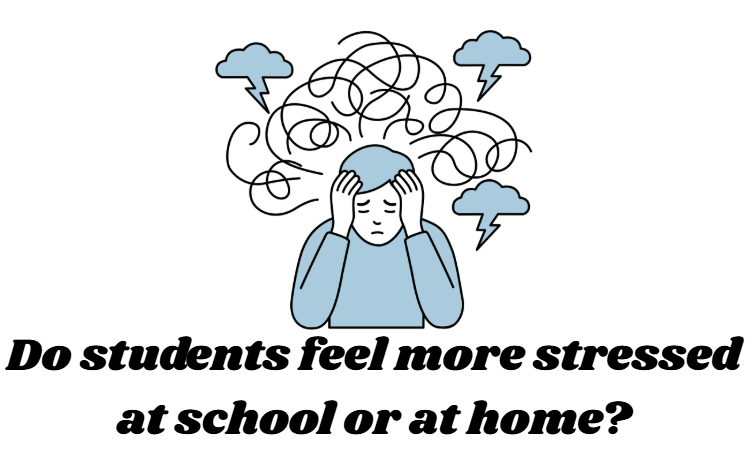
Overcoming this fear requires a change of perspective. College is a tool rather than a final destination. The obsession with prestige creates a high-stress environment that drains the joy out of learning. The best school is a school where a student can learn, thrive and graduate without soul-crushing debt.
Once the noise of March-April finally dims, the name of the school matters much less than the person who shows up early on the first day of classes. The madness of the season eventually ends with the realization that a person’s future is far too big to be defined and restricted by a single campus. Success is a long-term project that belongs to everybody, regardless of the name on the letter sitting in the mailbox.