



































































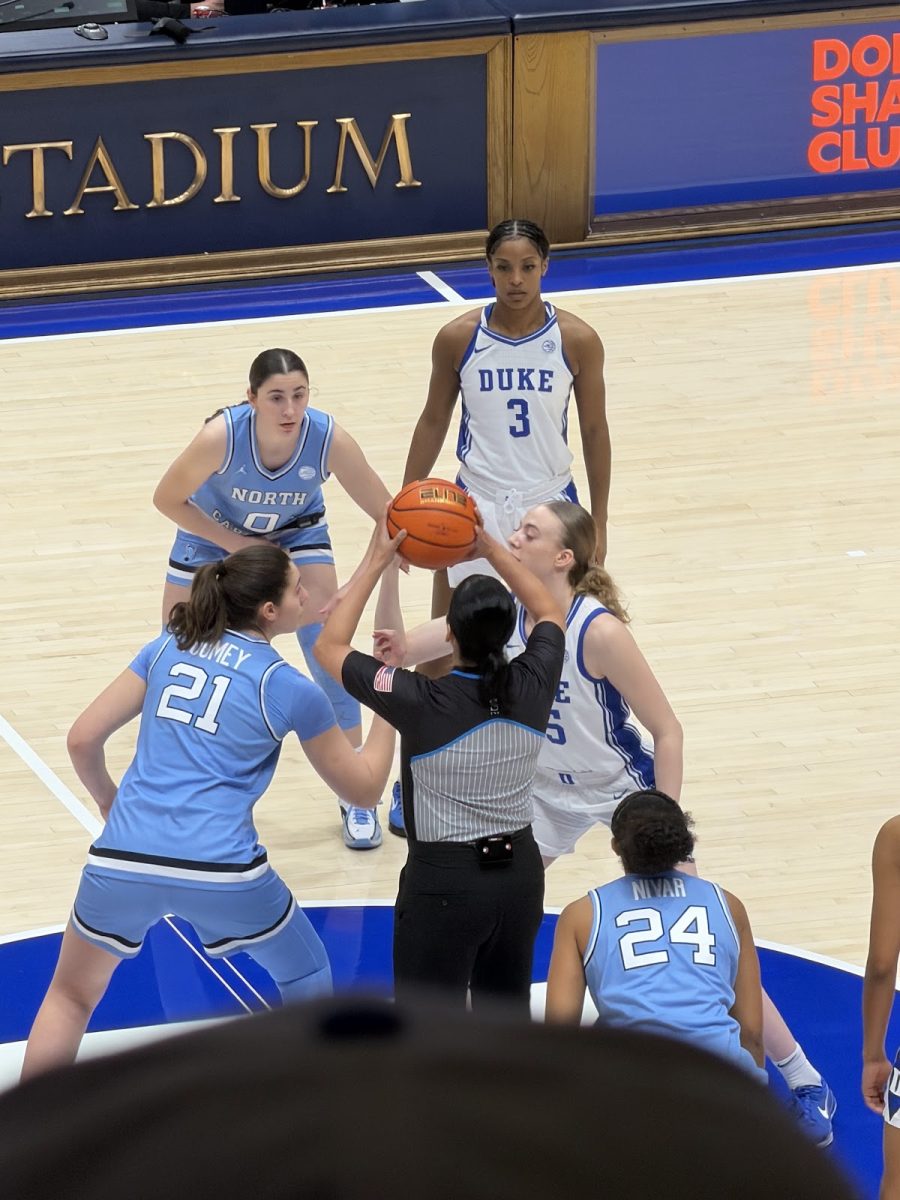
Women’s basketball has grown so much in popularity in recent years, especially at the college level, mainly thanks to Caitlin Clark. Because of new rules that allow college athletes to make money through Name, Image and Likeness (NIL) deals, some women’s college basketball players now earn more money than players in the WNBA. This situation has also led many professional players to push for higher salaries.
In 2021, the National Collegiate Athletic Association (NCAA) changed its rules to allow athletes to profit from their NIL. These deals allow college athletes to sign sponsorships with brands, appear in advertisements and promote products on social media. Some college stars have made millions from these deals. For example, Angel Reese, who played for the LSU Tigers women’s basketball program, said her earnings from endorsements were very high compared with professional salaries. She explained, “The money I’m making is more than some of the people that are in the league that might be top players.” Reports estimated that Reese earned about $1.3 million per year from NIL deals, which is more than many WNBA players earn in salary. Other college stars have also benefited. For example, Caitlin Clark earned millions in NIL deals during her time at the Iowa Hawkeyes women’s basketball team, while her rookie salary in the WNBA was about $84,514 per year.
Despite being the top professional league for women’s basketball, WNBA salaries remain relatively low compared to other sports leagues. The average WNBA salary is about $102,000, with many players earning between $66,000 and $250,000 per year. Because of these lower salaries, some players historically played in international leagues during the offseason to earn more money. WNBA legend Diana Taurasi described the pay gap when discussing her early career: “A janitor at the arena made more than me.” This example highlights the financial challenges many players have faced.
Many WNBA players believe they deserve higher salaries because the league is growing in popularity. Attendance, TV ratings and sponsorships have increased, which means the league is generating more revenue. However, players currently receive only about 20–25% of basketball-related income, while players in the NBA receive close to 50% of revenue. Because of this difference, many players want a system that shares more revenue with athletes. For example, Caitlin Clark once criticized the league’s prize structure and called for change: “We get more for this than you do if you’re a champion. Makes no sense.” WNBA players have also publicly protested for better pay, wearing shirts that said: “Pay Us What You Owe Us.”
Many experts believe salaries will increase as women’s basketball continues to grow. New media deals, expansion teams, and higher viewership could bring more money into the league. Players are also negotiating new collective bargaining agreements to raise salary caps and improve revenue sharing. Even though college players sometimes earn more through NIL deals today, the long-term goal is for professional players to earn salaries that reflect the sport’s popularity and the athletes’ impact on the game.