




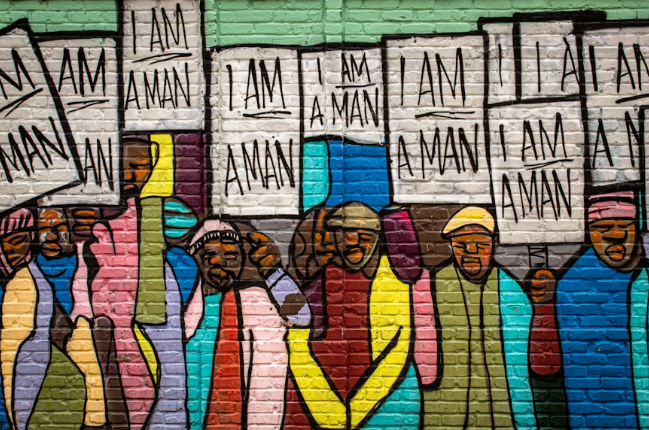












































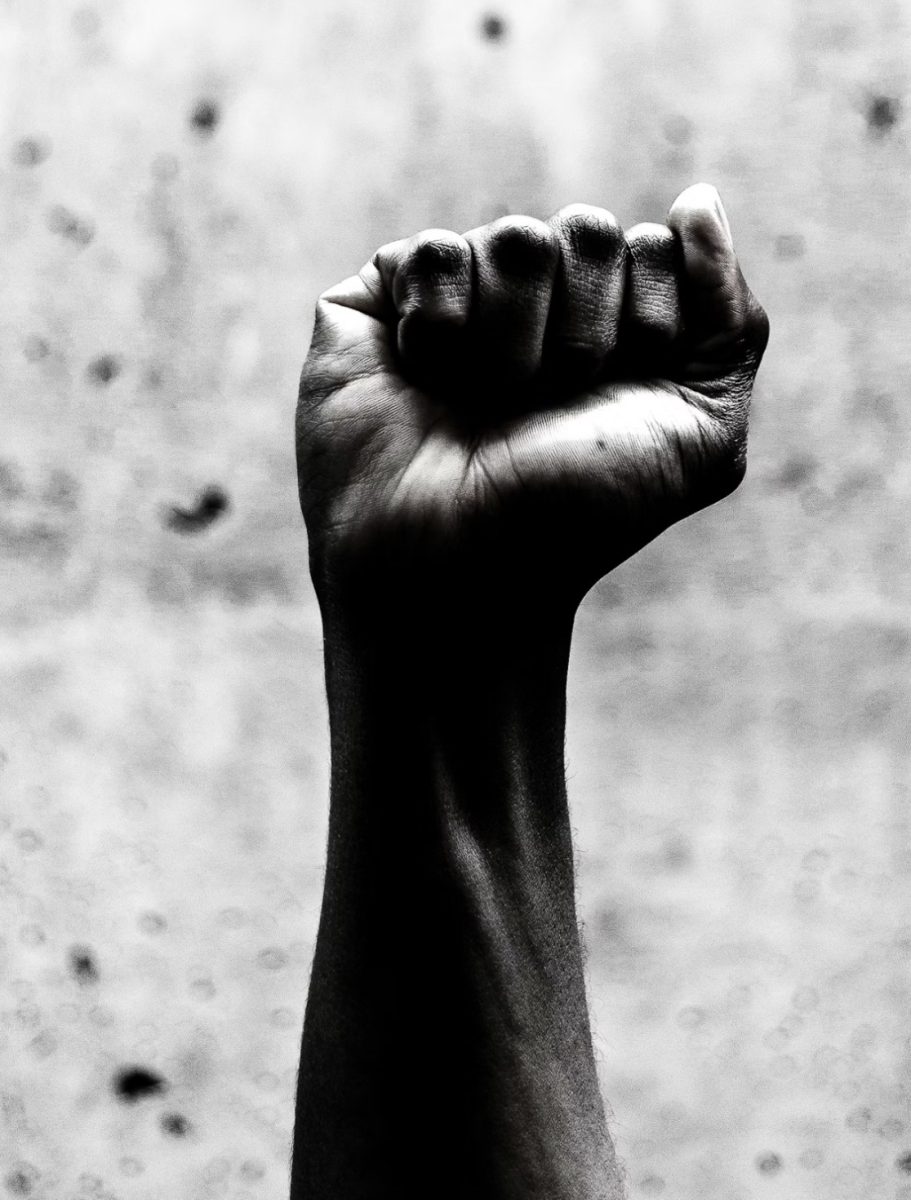







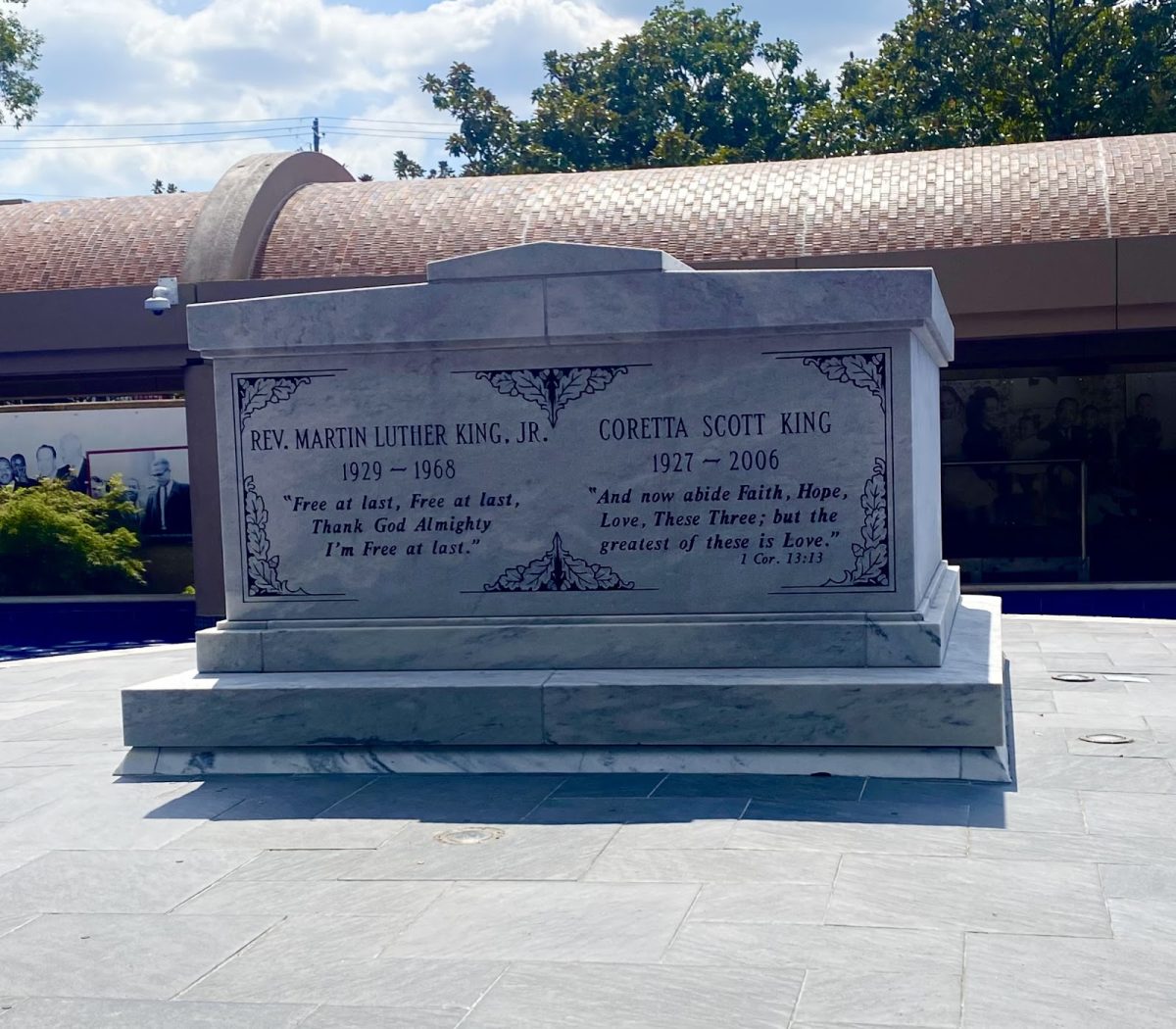
Black History Month is a time to remember the contributions and successes of African-Americans throughout history. It offers African-Americans, and all those who want to remember, a time to learn of the sacrifices, hardships and tribulations of past generations of Black people. Black History is more than a month, it is a dedication to all that has happened and a time to celebrate the accomplishments of those who came before us.
Dr. Carter G. Woodson, better known as “The Father of Black History,” was a key figure in the establishment of Black History Month. Initially known as “Negro History Week” in 1926, it wasn’t until the mid ‘70s that February was officially established as Black History Month. February was chosen because of famous abolitionists, President Abraham Lincoln and Frederick Douglass, whose birthdays were in the month of February. The dedication served as a way to honor their contributions towards African-American freedom and equality.
Carla Hicks, a math teacher at Green Hope and advisor of the Black Student Association, sat down for an interview about Black History Month. “For me to talk about Black history, I think I’d have to talk about history itself,” said Hicks. The documentation of Black history serves as a structure for future generations, but as Hicks asked, “can history be truly history if the truth is not being told?” It is evident that throughout history, Black Americans haven’t been given the credit that they are owed. Many of them have made incredible contributions to technology and medicine have gone unappreciated. For example, automatic elevator doors were created by Alexander Miles. Every day, people enjoy the convenience of inventions such as elevators, yet the individuals behind them are seldom discussed. This is especially true for Black inventors like Mills, making a holiday that celebrates Black excellence essential.
“Black History Month gives us an opportunity to delve into the omissions and forces us to face the incomplete narratives,” explained Hicks. She believes that, “A truthful history promotes accountability and accountability promotes empathy and empathy promotes collaboration and collaboration promotes progression.” For a society to progress, it must first work together, overcome differences and work towards shared goals to reach equality.
Donika Moye, an English teacher at Green Hope, shared similar insights regarding the meaning of Black History Month. “It’s really about learning beyond what the school system is going to teach you,” she argued. Moye explained that knowledge is something people must pursue and that individuals should have pride in where our ancestors have brought us. She stated, “If there was more pride, people would act differently towards [Black history].” Pride in Black history is something that Moye emphasized, specifically noting that pride is important to understanding African-American history. “[I keep in mind] all that my people before me had to go through, as far as fighting for rights just for me to be able to be in front of a classroom teaching students,” she stated as she recounted an image of a younger Black girl teaching an older Black lady how to read.
To highlight the successes of African Americans throughout history, Hicks and Moye reflected on the contributions made by historical Black figures they admire. Hicks shared her appreciation of Marcus Garvey, a Black Africanist who believed in Pan-Africanism, the unification of people with African descent. “He promoted the unification of all descendents of Africa. He promoted social independence, economical independence and political independence,” she noted.
Rather than having one Black hero, Moye discussed how she prioritizes learning about various lesser-known African-Americans. “During the year I just try to learn a little bit more about people I haven’t heard of before because you always hear [about] Martin Luther King [Jr.] and Malcolm X.” Recently, Moye shared that she learned about Septima Clark, a Civil Rights activist and educator who believed in voting rights for African-Americans and women. She also shared how she tries to focus her research on women who played a part during the Civil Rights Movement.
Black History Month is a time to recount the struggles and contributions of African-American citizens. It is an impactful month that has been transformed from a mere week to a month-long commemoration. Black History Month is a crucial moment of the year that highlights Black individuals who have gone unrecognized throughout history.