
































































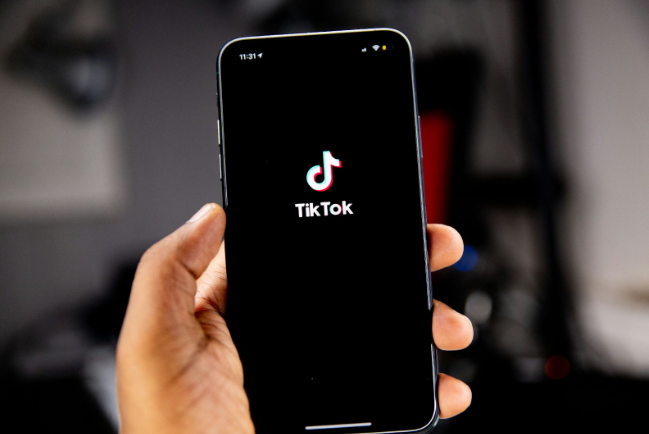
Tik Tok is going through some changes. Recently, U.S-based entities have gained a majority control over the app. Companies such as Oracle, Silver Lake and MGX own more than 80% of the company, with ByteDance Ltd., the original company, owning less than 20% according to The White House. This change has been slow but steady, and more changes and control over Tik Tok is currently being laid out.
A few days ago, the starting changes came into effect. Tik Tok released new terms and conditions, changing the way the app manages the users information, security and cross-app sharing. With the newly added terms and conditions, there was no option to opt out, and users had no choice but to agree or stop using the app. Location was one of the biggest ways the app has changed. Before, the app would only gather location data based on “IP address, which generally is only accurate at the city level”, according to the University of Virginia. Now, the app can track location based on GPS, which is accurate within several meters of your current location. An increase in advertisements is also a major change already integrating itself in Tik Tok culture.
In recent years, the amount of ads posted on Tik Tok has increased dramatically. Now, users can’t scroll ten videos without being hit with some sort of marketing stunt. The app uses personal user data to tailor whatever ads the user sees to their supposed algorithm. How you interact with videos and share data across apps, impacts what you see dramatically. The White House has claimed that “many American businesses rely on it for their advertising,” which may explain the recent influx of advertisements across Tik Tok. AI generated content has also garnered a significant place holding across the Tik Tok algorithm.
The current top owners of Tik Tok, Oracle, MGX and Silver Lake, are top supporters for AI, this could explain AI’s recent growth. Users may notice a recent surge in AI made videos, or AI enhanced content, making its way across Tik Tok, in a jarring change from years passed. Around two years ago, AI had barely scratched the surface of making realistic AI content, with viral videos like the WIll Smith eating pasta being the most realistic it could make. Now, scrolling through the app, users are greeted with posts like, “finish this meal with a friend,” or ASMR slicing videos. All in all, these changes have been happening across all platforms in recent years.
Tik Tok was already making changes along the lines of the recent terms and policy updates, and these differences aren’t foreign across other social media apps. Social media apps such as Instagram and X are integrating more control over content with new updated terms and policy. All of these services seem to cater more toward business outlooks, with the increase in ads across all platforms, and Tik Tok being the most noticeable one. Whatever other updates await the app are in the air, but services are changing.