























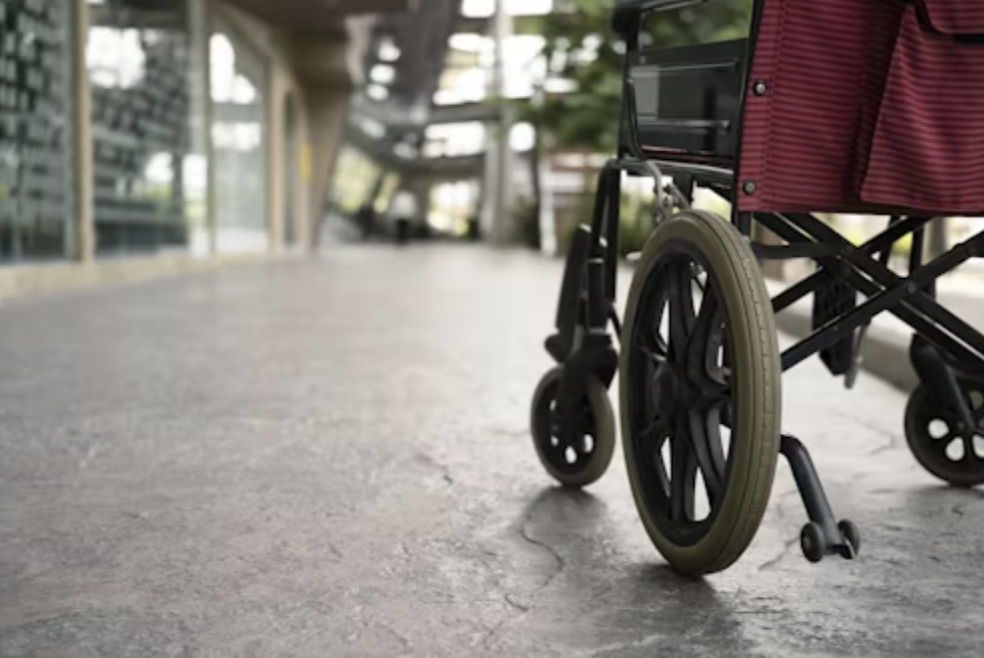
There are a lot of assumptions and prejudices made about those who have a physical disability. People in wheelchairs, unable to speak and some even unable to breathe without the help of a machine, are those commonly imagined and stereotyped. These disadvantages for people with disabilities have made their lives much harder than those of the average person. From cerebral palsy to blindness, each of these disabilities has influenced the lives of those affected in numerous ways, be it good or bad.
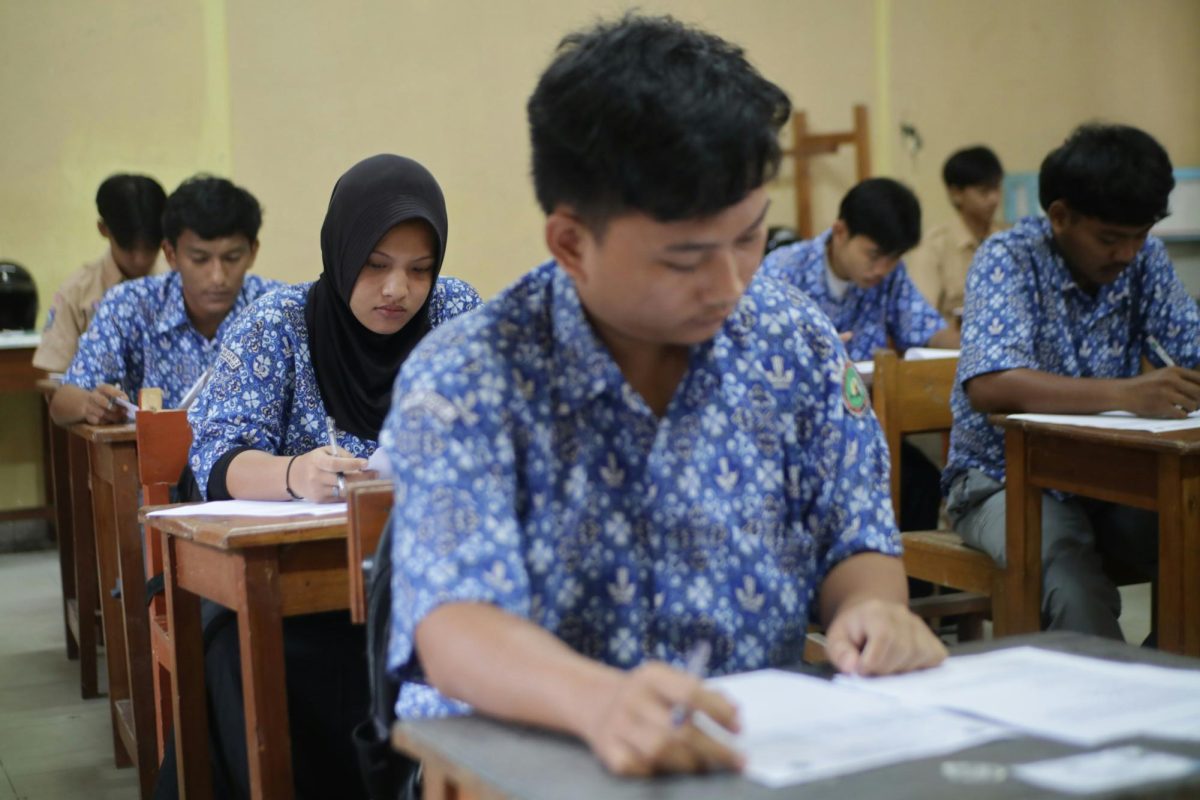
Around 15-16% of people in the world have acquired or been born with some physical disability. That’s over 1 billion people who are living with a physical impairment. All of these people with functional limitations have faced similar challenges, ranging from limited transportation to inaccessible public infrastructure. The most prevalent of these challenges is prejudice against people with disabilities. These prejudices are most common in school zones, where people without disabilities already face bullying and name-calling regularly. In the modern day and age, students have more resources to build them up, such as special ed classes, physical therapy programs, and, most importantly, teachers who support them and who they are.
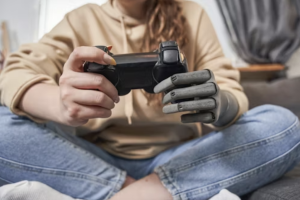
When asking Ms. Jenson, a special education teacher in Green Hope, about students with physical disabilities who have felt disheartened about their differences, she stated, “From just experience, I know that it can be really frustrating when someone has a physical disability, but they are academically able to do all of their work and they’re understanding things that are happening around them. It can be easy for us to assume that those individuals might not understand what’s going on just because they have a physical disability. So, as bystanders and people around them, we need to take accountability and make sure that we’re still treating them as we would everyone else.”
For students with physical disabilities, life has been getting easier for them, but for adults with physical disabilities, there are a lot more serious issues that happen in their lives. Employment discrimination is the most prominent of these issues, with the employment rate being more than 20% lower than that of those without a disability. Most disabled people have gotten around this issue by using prosthetics, having transplants or even undergoing a transplant so they can make their lives easier. But some people with physical disabilities have been able to make a name for themselves without the use of these luxuries. Specifically, Karen Keaton Jackson, who has been able to become a college honors program director while suffering from Symbrachydactyly, a rare birth defect that causes one hand not to fully form during birth. As a child, she was bullied for her lack of a left hand, but despite this, as an adult, she does not wear a prosthesis, nor has she undergone surgery to have a hand transplant.
“I’m a person of faith, and I feel like God made me just the way I’m supposed to be. I rarely use the term disability. I know that it’s there, but I don’t think of myself that way. I like to focus on all the things that I can do, I just might do them a bit differently,” She stated. When asked what she would say to anyone with a physical disability who might want to use different methods to reduce the effect of their disability, she shared, “I would offer them to consider focusing on the blessings and all the things they can do to let that be the focus. I would encourage them to think about that, even if they don’t do things like everyone else, that doesn’t mean that they cannot do those things. They may do them differently, or maybe there are other things that they can do amazingly well that people without that same disability cannot. But ultimately, I would encourage them to do whatever makes them feel most comfortable and makes them feel the most empowered.”
With the people going through these struggles speaking up, more accommodations are being made so that their lives are just as easy as any other person’s. Even though their physical disabilities can cause an inconvenience, they are what make these people unique and irreplaceable in our world for their perspective and experiences. Instead of looking at disabled individuals as people who are incapable of something, it is important to start looking at them as people who have lost something, but gained something that not even an able-bodied person has.