



































































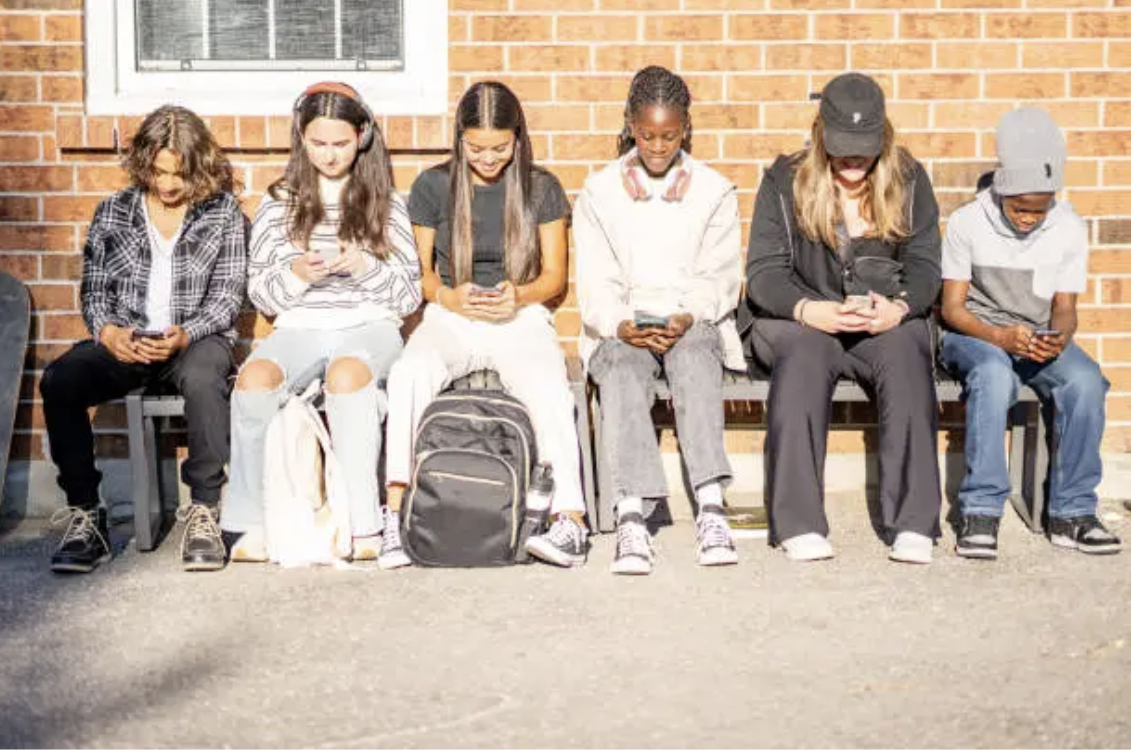
Every time someone replies, posts or produces information online, it is recorded elsewhere. Whether it is through third-party software or screenshots, the information is permanently saved. This record of data is known as a digital footprint, the information left behind by an individual’s online actions. While the internet has been normalized among society, it can be harmful to certain groups of people. Posting misinformation online, cyberbullying and other forms of harassment can influence others to engage in these activities in the hope that they can avoid becoming a recipient. Teenagers are especially vulnerable due to their low emotional resilience from hormonal changes during puberty.
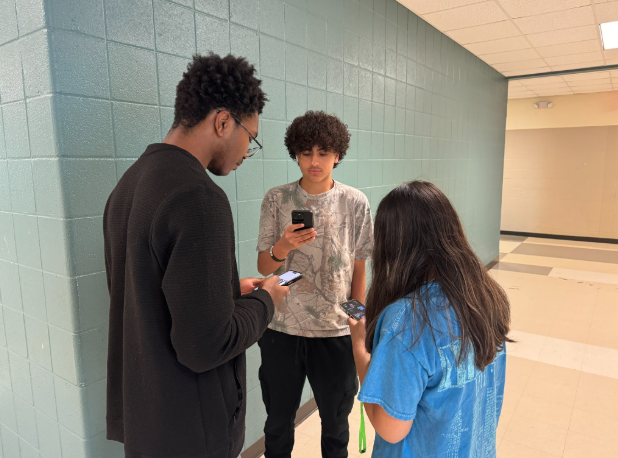
Youth widely use social media; an estimated 95% of people aged 13-17 have posted about their lives on apps such as Instagram and Snapchat. While it allows teens to feel connected to the rest of the world, these apps are known for making money by giving away user information to third parties. This increased digital presence has been associated with increased levels of anxiety & depression, which has only been on the rise as phones are being integrated into everything. If a data breach were to occur on these apps, the user’s personal information would become public, revealing their posts, searches, replies and other private data.
Actions, such actions are insignificant as liking a clip containing dark humor or racial stereotypes, can forever be engraved in teens’ online records. Colleges, employers, and scholarship committees have begun searching individuals’ online presence/history at an increased rate recently to understand the applicant’s background, revealing personality characteristics through online actions. In some cases, it has led to applicants being denied because their online presence, or footprint review, had them deemed unsuitable for the position.
Students are not taught the extent to which their online activities are monitored, believing that switching to private tabs or applying VPNs will protect them. That is not the case; the state department of education does not dedicate time to teaching the matter because of its misalignment with traditional education and the rapidly evolving platforms that students use.
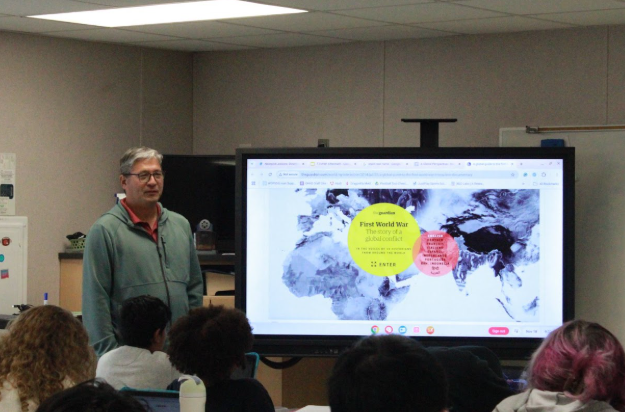
The GH Falcon sat down with Christopher Gaw, head organizer of the Black Falcons & teaches CTE to learn his thoughts on the matter at hand. Mr Gaw shared how they access teens’ information online, sharing, “If somebody wants to find something on you, they can easily go to the server and select images, comments or anything because everything is stored somewhere.” Regardless of whether the information was recent, it is still a reflection of the individual. Accountability over online activity is necessary in these modern times. “Ivy League universities that have a tendency to search candidates online, and then if an image pops up that is dubious in nature, they may not allow the attendance to happen,” shared Gaw.
While the internet allows people to stay connected with the World Wide Web, the consequence is that less-than-positive actions get wrapped and entangled within it. Students should be educated on their digital footprints & how they may be perceived by others online because it can never be vanquished. Once it has been released, it is set in stone for others to view.