

































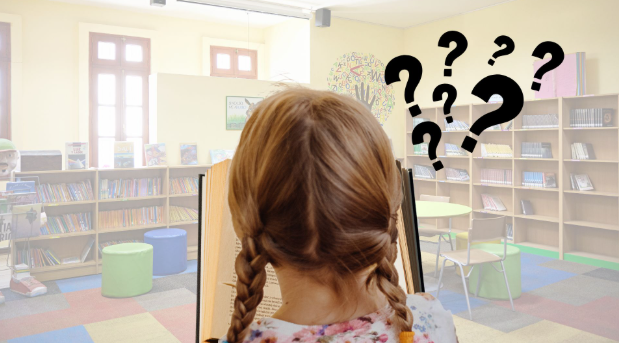





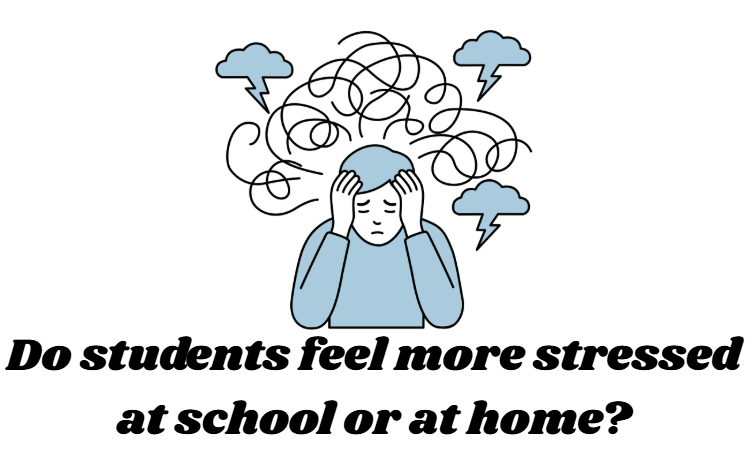






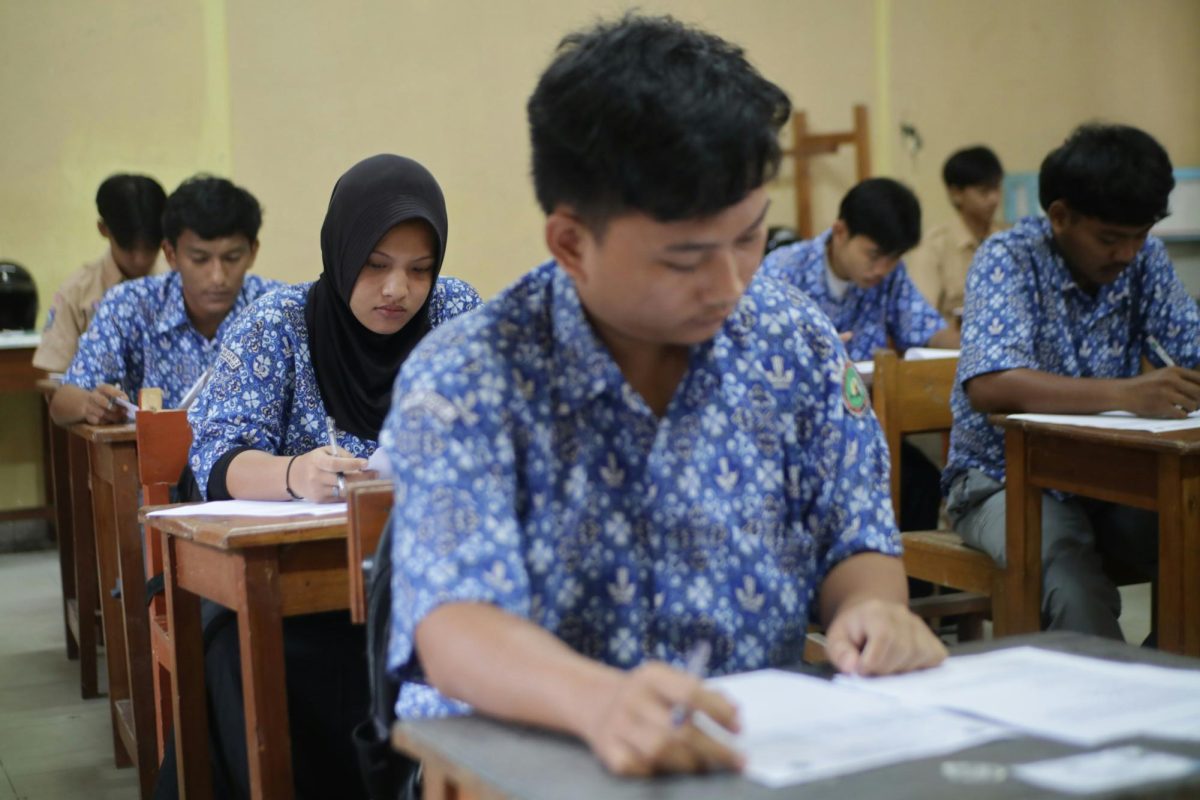





Whether it be from one’s guardians, teachers or peers, teens are regularly under academic pressure as they prepare for life after high school. By implying that school work comes above everything, many individuals have come to believe that high grades are what ensure a successful future. But as a student balances relationships with peers and possible extracurricular activities, the pressure to do it all is bound to take its toll.
While it may motivate one to set their sights on a bright future, too much pressure can also lead to academic burnout. In a 2024 poll taken by the American Psychological Association, approximately 35% of American teenagers reported that due to consistent academic pressure, they began feeling sad or depressed. In recent years, high school students in the U.S. have also reported having higher stress levels than most adults.
From the ages of 10 to 19, people enter a critical period in their lives: adolescence. During this time, individuals begin to form an identity, independence and aim for a plan of what the future holds. Negative influences like significant pressure can disrupt individuals’ transition, however, and may lead to struggles with mental health or burnout instead of excitement for the future.
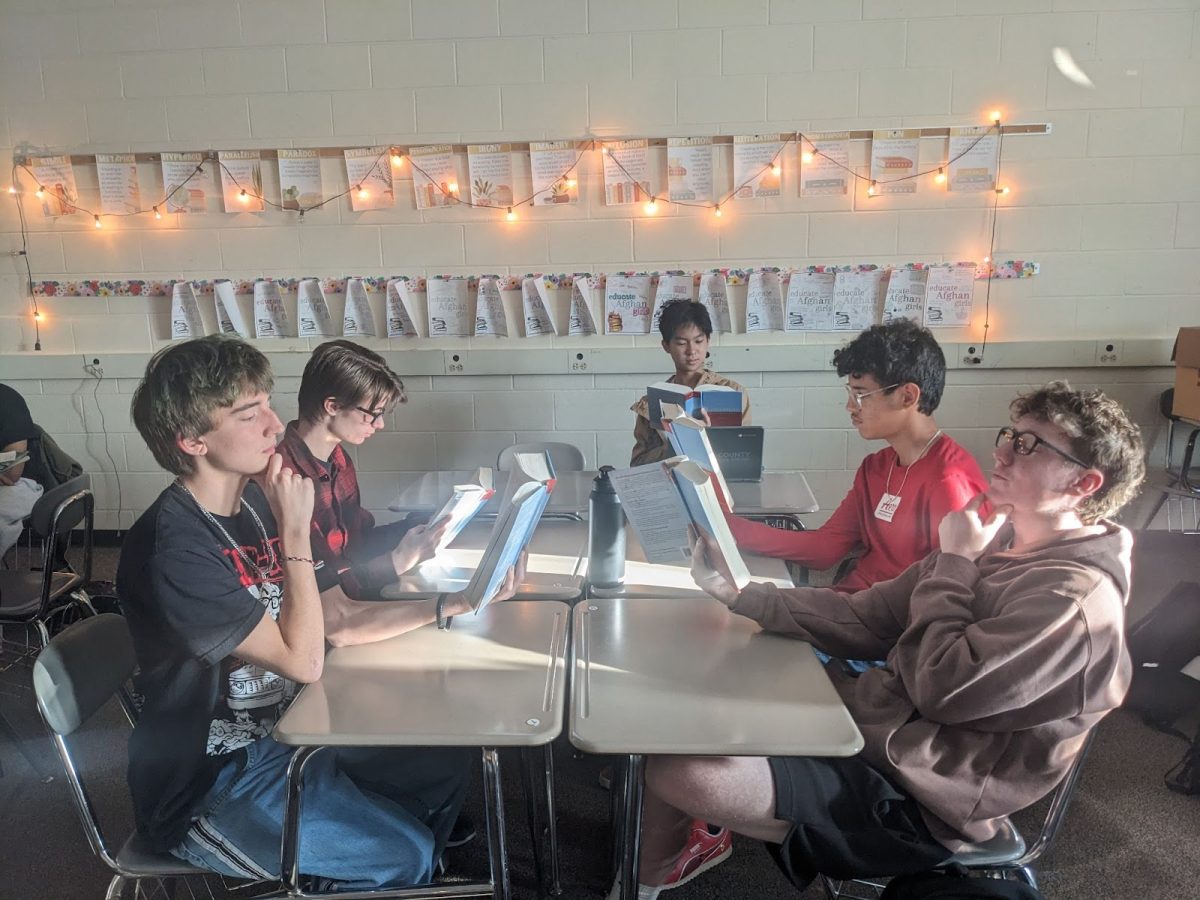
Kaitlyn Rosefsky (’27), a junior at Green Hope, discussed how pressure affects her working ability as a student. “Pressure for good grades pushes me further in hopes to do better, but sometimes it’s all too much and causes me to feel burnt out. I try to take breaks when I need them, but it’s difficult when the work piles up.” Taking breaks, whether it be through counselors, study groups, or SMART Lunch sessions, can help one regroup after a stressful day and talk through any concerns. Even simply repeating positive reminders, such as “it doesn’t matter what I got on the test, just the fact that I tried my best,” can help to relieve pressure.
The feeling of burnout, or a lack of motivation, can be caused by a variety of pressures. Ms. Bumgardner, a counselor at Green Hope High School, detailed some of the internal factors that she believes may lead to academic burnout. “As human beings, we are innately social creatures. We desire to be a part of a group because it’s helped us survive from an evolutionary standpoint. The pressure arises when we feel like we might not be living up to the expectations or meeting the standards of the group. That’s the psychological perspective of it all.” External factors such as repetitive pressure from parents or peers, competition and social comparison may also lead someone to feel overwhelmed.
In an already stressful time of life, it’s important to notice the common signs of burnout in adolescents. An intense obsession with one’s grades, constant working and loss of interest in one’s hobbies are just a few signs of burnout. Physical signs such as restlessness and increased anxiety may also be observed. Additionally, the misuse of stimulants or non-prescription medications to prevent someone from feeling overwhelmed has increased in recent years. A study conducted by the University of Michigan showed that at least 25% of students in middle and high schools throughout the US reported misusing stimulants.
The good news is that there are numerous ways to recover from and prevent burnout. Attending study groups to help refresh on a specific topic, sleeping and eating well and working to maintain a balanced schedule are all tactics that help lower stress.
Ms. Bumgardner also described ways for students to deal with academic pressure. “Take time for yourself, prioritize your mental health, and also recognize that you are never going to be in high school again– as cliche as it sounds, you’re not going to remember the grades you earned, but the memories you make will last with you forever.” Individuals should remember to focus on themselves, their health and creating memories rather than temporary measures of success.
Additionally, she recommended that students talk to their counselors when deciding what courses to take. Counselors can provide helpful guidance and ensure that one’s schedule will provide a challenge without compromising their mental help. She encourages students to always ask themselves, “Can I perform well in this class academically while still maintaining my well-being?” While academic challenges can be beneficial, prioritizing rest and happiness is essential, especially in one’s formative years.
The pressure to maintain perfect grades, competition with other students and the stress of exams are things almost all students struggle with. In recent years, academic burnout has become increasingly prevalent due to such factors. While mild pressure is healthy, it’s important not to overexert oneself. The pressure from peers, guardians or even teachers to perform well doesn’t define one’s identity or how far they will go.