




































































The Supplemental Nutrition Assistance Program (SNAP) costs the average taxpayer $36 a year, or $3 a month. Those funds are then used to give approximately 41.7 million people access to food. However, due to the most recent government shutdown, which began on Oct. 1, SNAP benefits were completely paused, leaving 12.3% of Americans without access to nutritious food. Many have heard about SNAP and its lapse in benefits, but less know that before it assumed its new title, it was a welfare initiative known as Food Stamps.
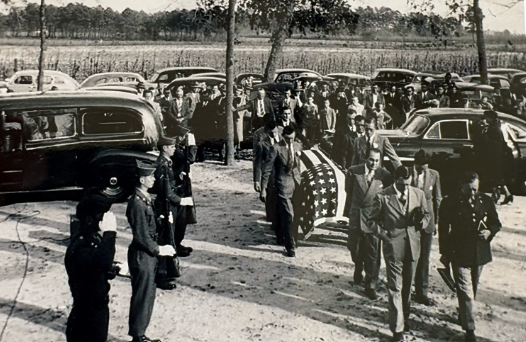
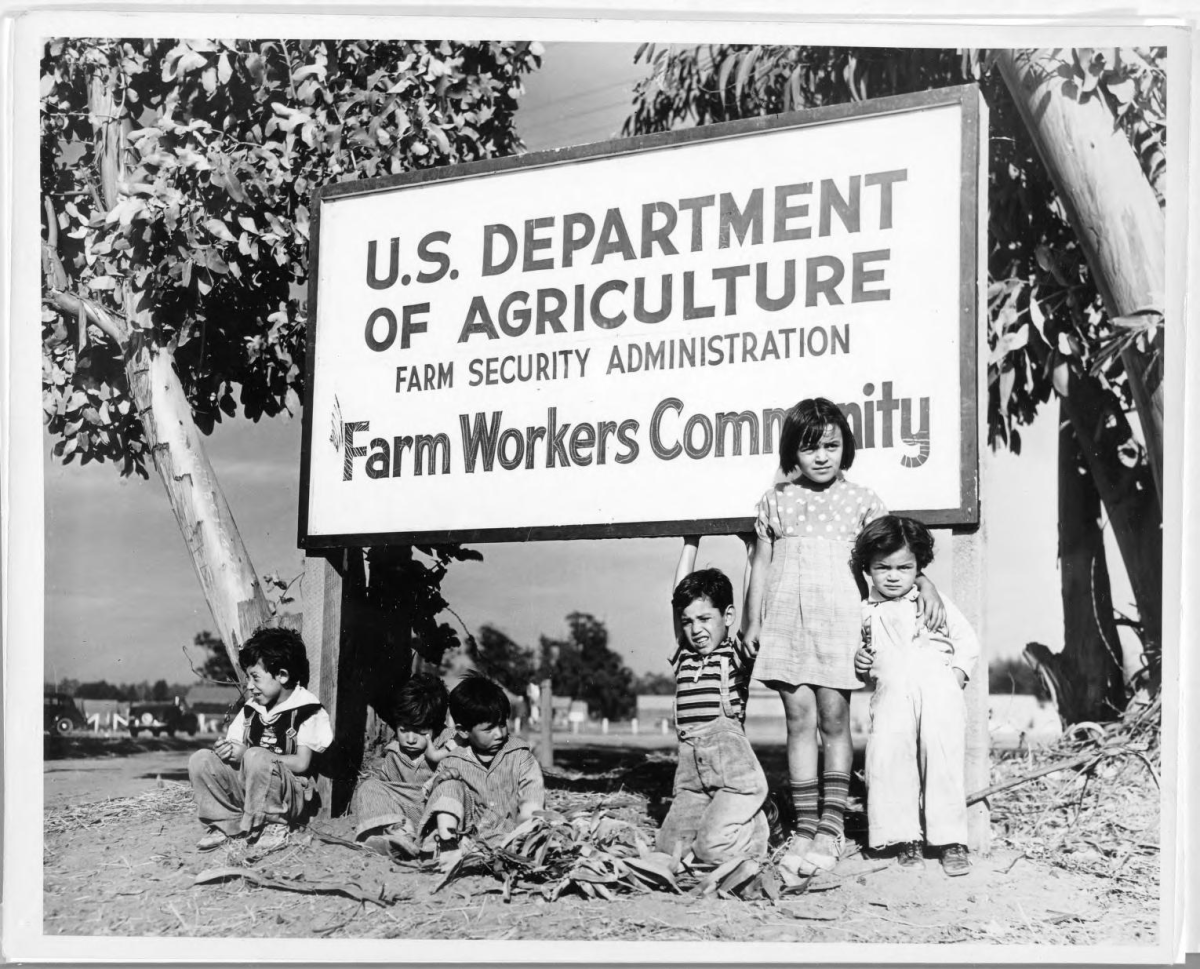
In the 1930s America was facing a paradox. While millions were starving due to the Great Depression, farmers were drowning in food. This contradiction would give birth to the Food Stamps initiative. In response to the excess food, the government made the controversial decision to pay farmers to destroy their crops and livestock. People were outraged by the unnecessary destruction of food, so the government scaled back. They realized destroying crops wasn’t the answer, and instead turned their attention to food redistribution. The Federal Surplus Commodities Corporation (FSCC), a New Deal agency created in 1933, aimed to buy up surplus food and distribute it to the needy. On May 16, 1939, Rochester, N.Y., became the testing ground for the first “Food Stamp” transaction. An unemployed man named Ralston Thayer handed in $4 of his relief money, and in return, he was given $4 in orange stamps plus $2 in blue stamps. The orange stamps could “purchase” any item and be used at participating grocery stores. The blue stamps were limited, they could only be used on surplus agricultural goods like beans, eggs, flour and butter. People and grocers alike loved the new system as customers could go and get the food they needed while grocers could cash in the vouchers at any FSCC location or local bank.
Over the next few decades, the Food Stamp initiatives went in and out of effect. The 40s and 50s saw the removal of the program as the economy was facing a war in the 40s and a huge economic boom in the 50s. 1964 saw the Food Stamp Act, which made Food Stamps an official government-funded program, requiring state and local governments create plans of action and eligibility requirements.
A few years later, in 1977, the program went under revisions again. Its new name was the Food and Agriculture Act. The new revisions, which include the ban of federally donated foods being distributed wherever a Food Stamp program is in operation and the cut of purchase requirements to SNAP, which means people no longer had to trade in their cash for the vouchers, has made a huge impact on the beneficiaries of these programs and the states running them.
In 2008, the government piloted a broader effort to modernize and reform Food Stamps, creating SNAP. With SNAP, food assistance programs now became a standard government benefit rather than a welfare program. McDaniel Wynne, a history teacher at Green Hope High School, noted that, “The Food, Conservation and Energy Act of 2008 was vetoed by President Bush, then overridden by the House and Senate. The 2008 Act changed the name of the Food Stamp Act of 1977 to the Food and Nutrition Act of 2008 to help combat the stigma that was associated with “food stamps” [at the time]”. While many people believe SNAP and Food Stamps to be two different programs, they are actually the same.
After the act was passed, Americans were able to receive the benefits they needed in a streamlined way. When someone was in need of food assistance they would go to their state or county welfare office website and request the benefits, where their case was then looked over and either approved or denied. Once someone was approved, they were issued an Electronic Benefits Transfer (EBT) card with their food voucher on it. Every six to 12 months, recipients would then have to recertify their need for benefits. However, in recent years, people must reapply rather than recertify. When someone had to recertify they just had to prove they still needed SNAP, for example, recent pay stubs. But to reapply means they have to go back through the system and start a whole new application. They have to prove they need SNAP and provide all required documents such as a valid ID, how much money each household member has in cash, bank accounts, etc, the households monthly bills, proof of income, among others. Then they must submit a new application through their state website, by mail or in person. After that is processed they then have to meet with a case worker to make sure they qualify.
Al Pleasants, the food pantry coordinator at Hope Community Church in Raleigh, NC, spoke on the changing requirements for SNAP beneficiaries. “It used to be that the card would just have the money put on it every month, but now they have to consistently reapply, something a lot of them weren’t notified of.” Due to this and the pause of SNAP benefits, many people are now having to turn to food pantries. “We have definitely seen, in the past six to eight months, an influx of people coming to the pantry who have recognised the reasoning to be the pause of SNAP,” said Pleasants. Requiring families to reapply was meant to combat fraud, but in reality it heightened the requirements, leaving many families ineligible and forced to turn to other forms of assistance.
Another major change happened to the wording of the SNAP Bill in Jan. 2025. The original bill used to read, “except alcoholic beverages, tobacco,” in reference to what cannot be purchased with an EBT card. That line has since been struck and now reads, “designated by the Secretary under section 4(d), except any alcoholic beverages, tobacco, soft drinks, candy, ice cream, prepared desserts such as cakes, pies, cookies, or similar products.” The change brought on many different feelings, with some arguing that the goal of SNAP is to give low-income families access to healthy foods so it doesn’t make sense to give them money to buy junk food. Others argue that since the 1930s people have been able to buy anything with their benefits, except alcoholic beverages and tobacco.
The story of Food Stamps has always been a push and pull. Every few decades something shifts–whether it be politics, the economy or technology. Nonetheless, the program has survived the Great Depression, wars, recessions, budget cuts, welfare reforms and government shutdowns. And in the long run SNAP doesn’t cost taxpayers and households a huge amount of money per year to help fund. “Access to food is a basic human right as defined by international law, and SNAP costs the AVERAGE taxpayer 36$ a year. That is 3$ a month,” Wynne added. SNAP is about to change again, whether from government reforms or general opinions of the program, but the question remains: How do you run a nutrition program for over 40 million people in a fair, efficient and humane way? As SNAP continues to evolve, it’s important that its original goal— to provide those in need with access to nutritious food— is kept in mind.