



























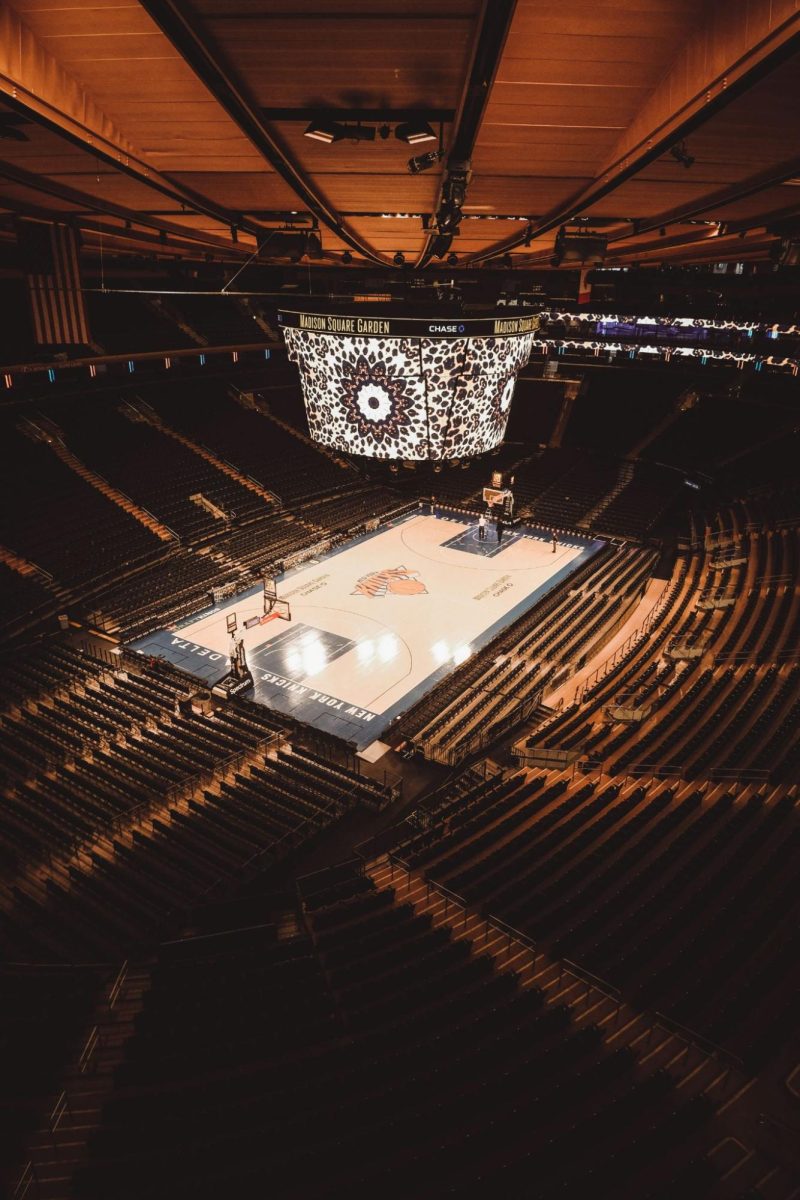













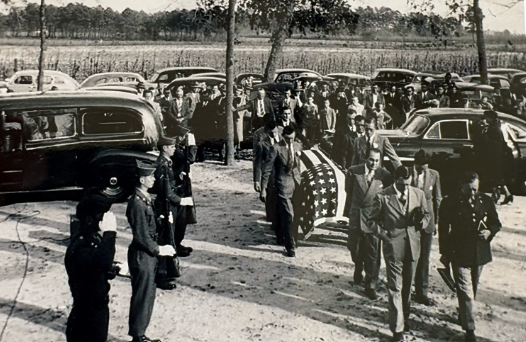
















On Nov. 6, 2025, Dallas Cowboys defensive end Marshawn Kneeland was found deceased with an apparent self-inflicted gunshot wound to the head. The athlete was initially involved in a police chase after failing to pull over for a traffic violation, ending in a foot pursuit following his car crash. During the remaining part of the police chase, it was reported that Kneeland sent a group text with suicidal indications and was found deceased approximately three hours later. Many are left reeling from the news, as Kneeland’s teammates knew him as a positive player on and off the field.
The defensive end scored the Cowboys’ first touchdown of the season on Monday, Nov. 3, against the Arizona Cardinals and was one of the team’s most successful rookies. Amidst the reason for celebration, it was reported that he had battled mental health issues, ultimately leading to his suicide.
Kneeland is not the first case of mental health struggles in a successful athlete. An overwhelming sense of pressure and performance anxiety that follows competitive athletics often degrades the mental well-being of elite performers. It is estimated that roughly 50% of athletes struggle with mental health issues at a given time in their careers, emphasizing the importance of having resources readily available and easily accessible.
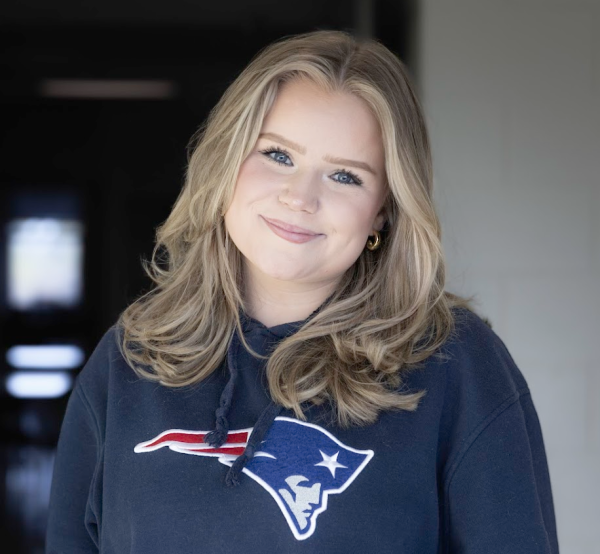
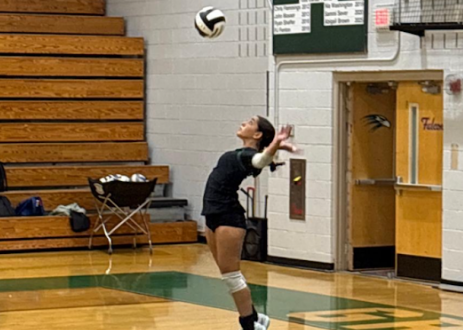
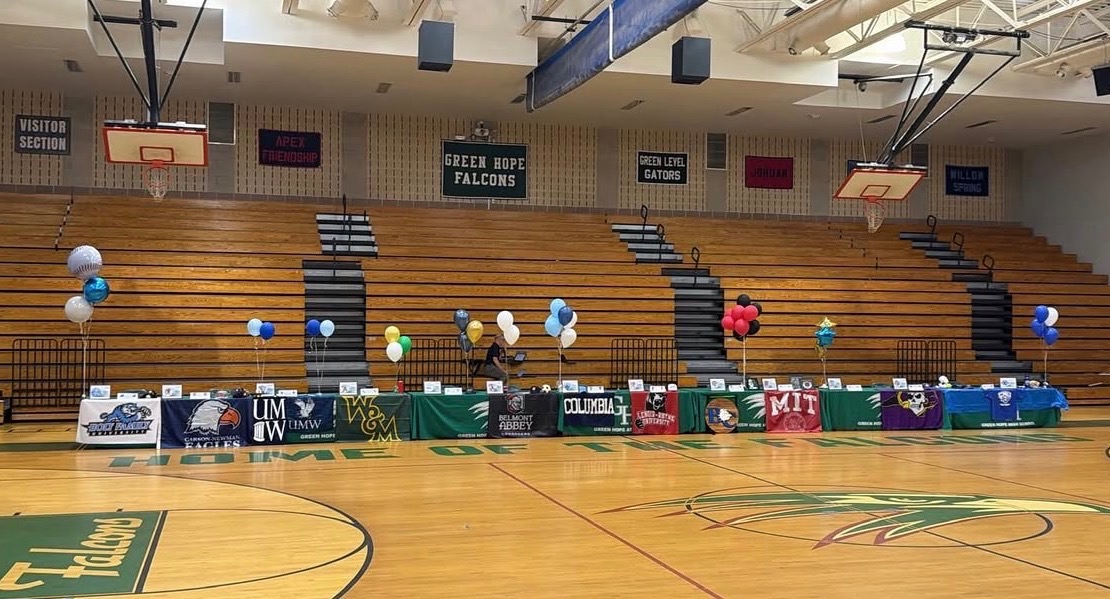
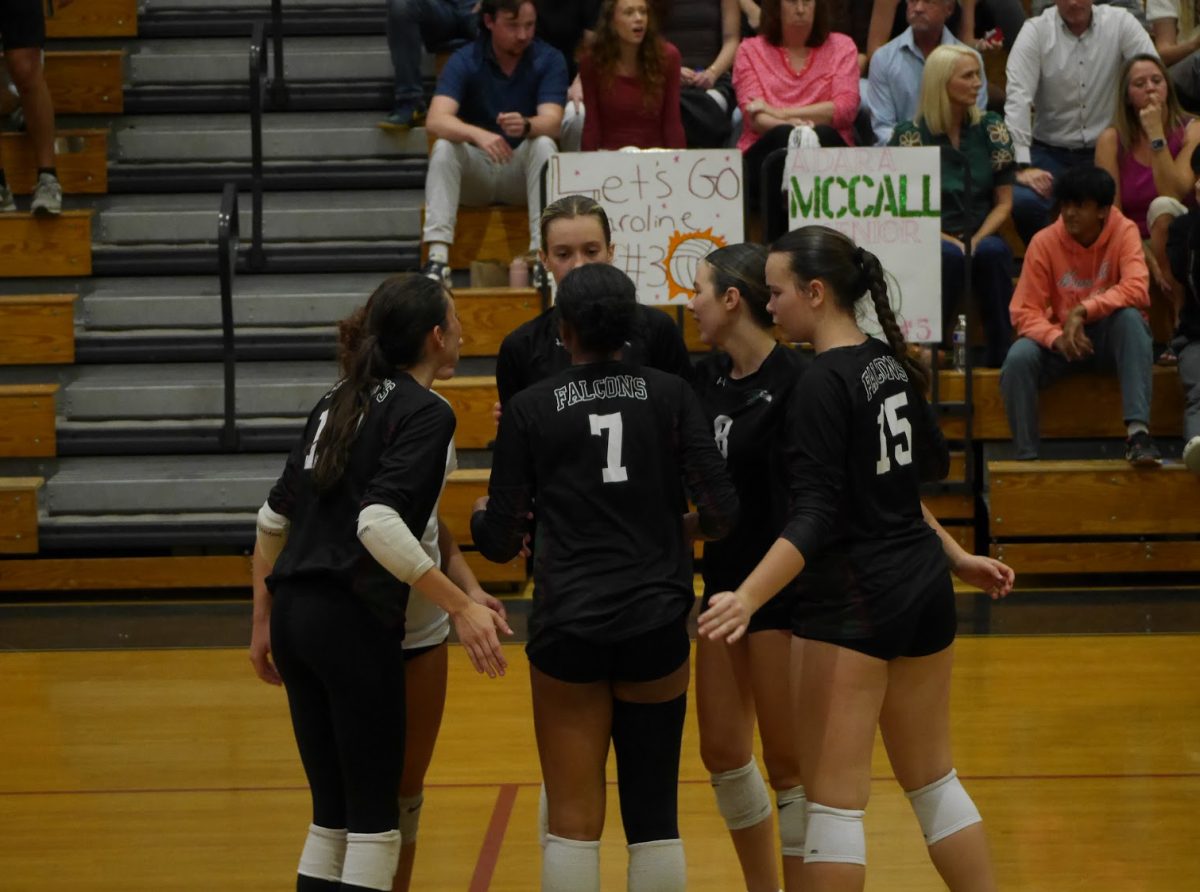
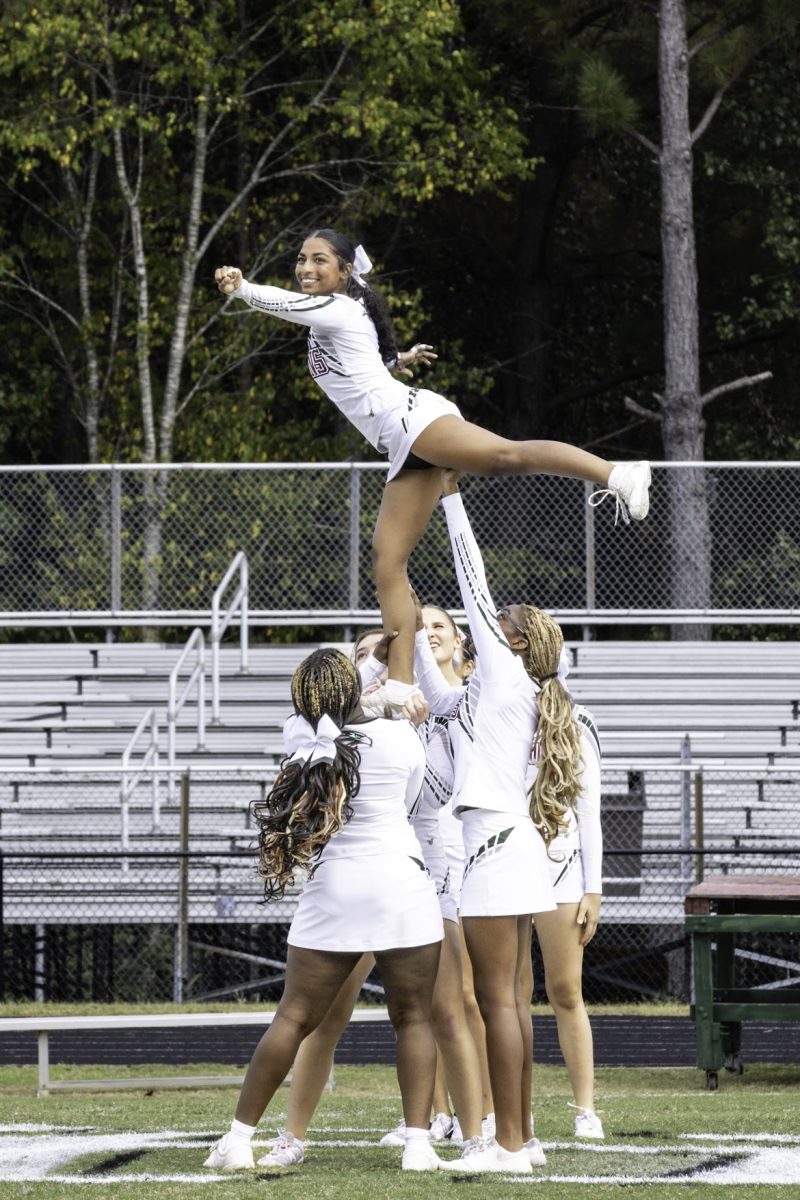
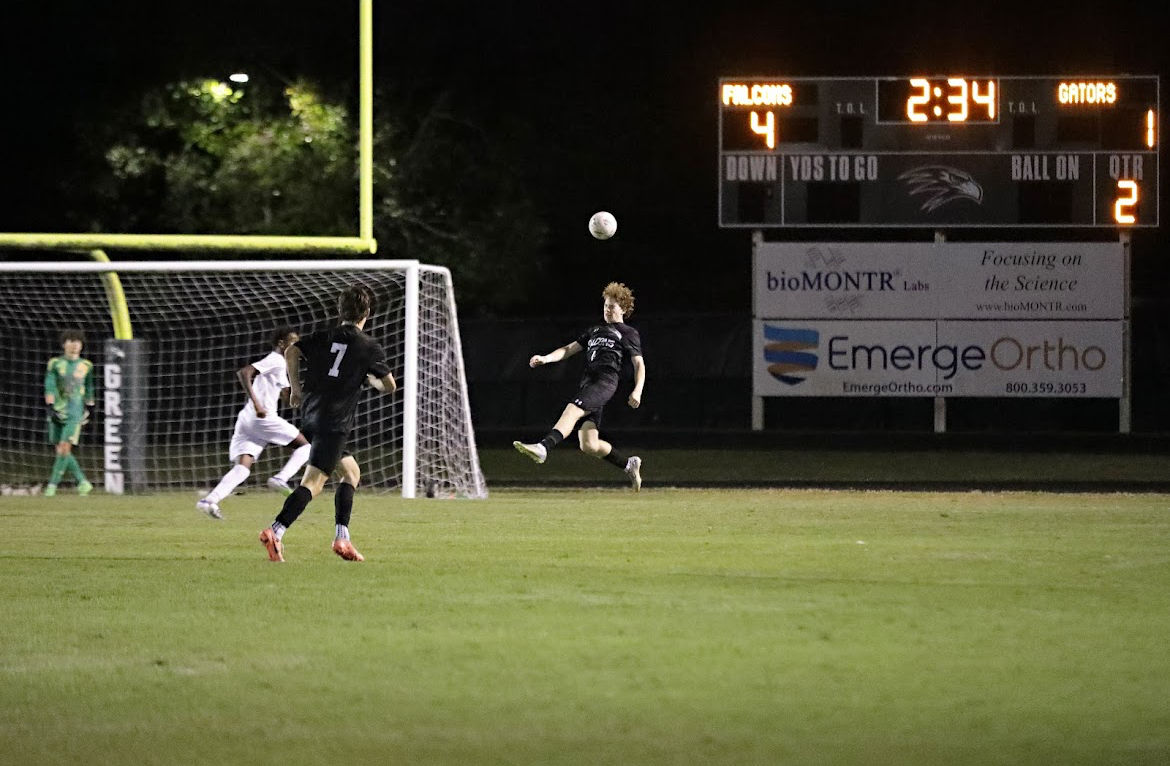
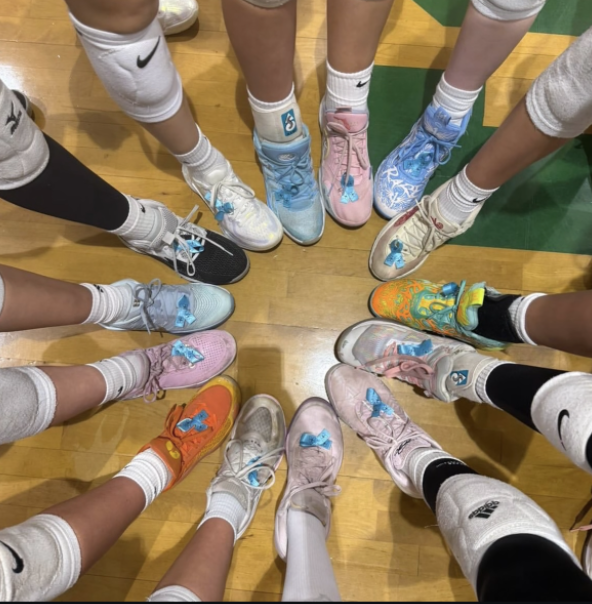
Green Hope High School is home to many highly qualified athletes, many of whom are committed to prestigious athletic programs with competitive futures ahead of them. Taylor Bruce (‘26) is among these individuals and is dedicated to the University of Georgia to further her athletic career in Division One volleyball.
Throughout her years in volleyball, Bruce has experienced a fair share of mental setbacks. She recounted her most memorable of them, occurring during her senior year semifinal game against Green Level High, “I hit the ball under the net twice in a row, and it was the first five points of the game. That was the [worst] time I’ve ever gotten in my head in any sports situation.”

Mental setbacks are often responsible for decreased interest in the sport, leading to a sense of dread for competing or excessive stress at the thought of performing. These setbacks further the cycle of underperformance, forcing athletes into their heads and stripping the excitement from playing. “I feel like it’s hard gaining confidence back after not doing well,” Bruce shared. “Having a feeling that the last time you played, you didn’t play your best, [and then] going into a new game, is something that is a mental setback I’ve had to overcome.”
Prioritizing mental health as an athlete is an important factor in keeping a love for the game, as well as maintaining physical health. For Bruce, her mental well-being dictates her entire performance. “It’s important to recognize athletes’ mental health because when you feel your best mentally, you can play your best physically,” she explained.
Alongside professional help, there are many ways to practice wellness behaviors individually. Bruce shared ways she prioritizes her mental wellbeing in the comfort of her own home, explaining, “I cope with sports anxiety by journaling. I like to keep a journal and write down my thoughts after games. It definitely helps a lot, just recapping what I did best after games and things I need to work on for the next game.”
In light of recent events, many sporting franchises have increased mental health awareness and heavily broadcast the resources available. In 2019, the NFL made it a point to employ a licensed and recognized behavioral health clinician on the staff of each team. Additionally, the Indianapolis Colts launched “Kicking The Stigma” in 2020 in an attempt to bring awareness to mental health disorders.
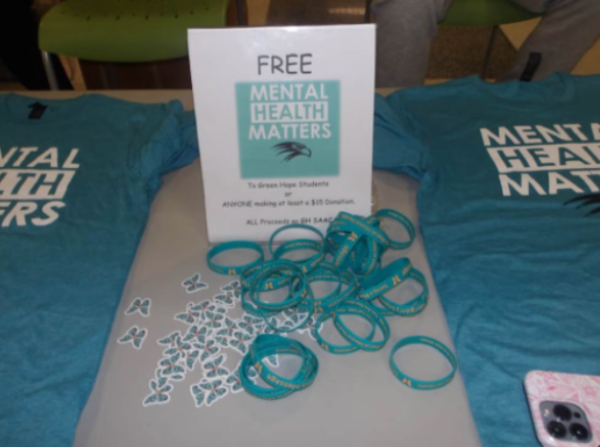
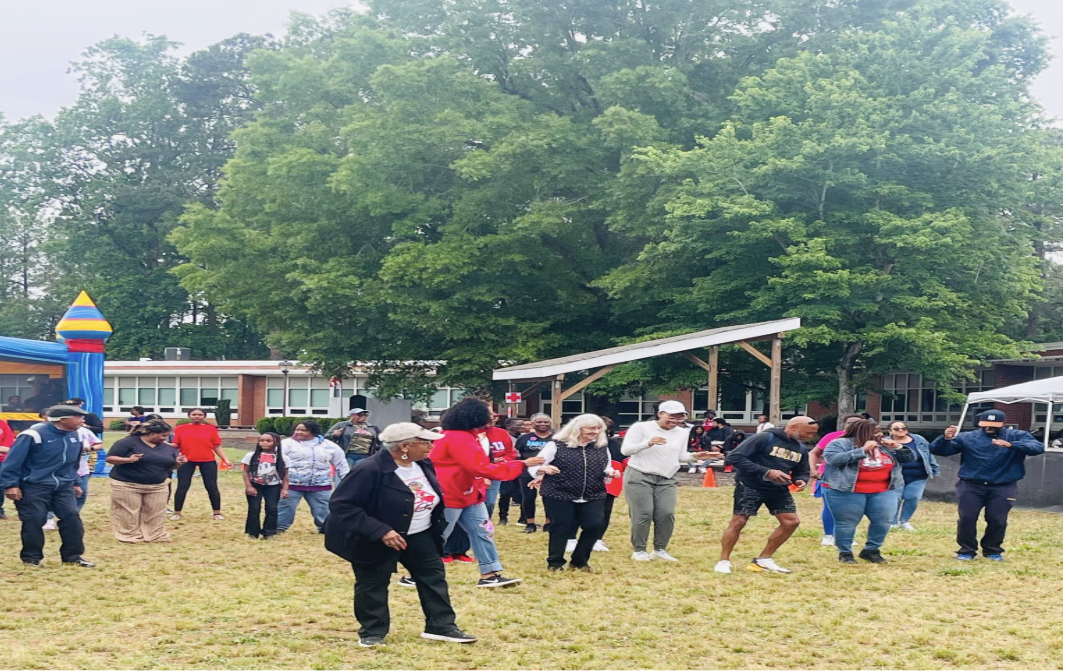
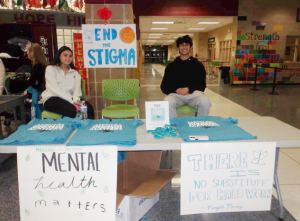
Many programs and initiatives have also been implemented at the local level. Green Hope is home to a branch of Morgan’s Message, a club focusing on athletes’ mental health awareness. It is a non-profit organization started by the friends and family of Morgan Rodgers, a Duke women’s lacrosse player who tragically took her own life after a battle with mental health issues. The organization is dedicated to eliminating the stigma surrounding mental health within the student-athlete community, as well as equalizing the treatment of physical and mental health in athletics.
Kate Bell, a junior at Green Hope, is the president of the club and active in its efforts. As an athlete herself, she understands the importance of acknowledging the struggle. To Bell, it is “crucial to recognize and support athletes’ mental health because their well-being is just as important as their physical health.”
Recognizing the struggle means raising awareness of the mental health battle, providing supportive resources for athletes. “Raising awareness helps other athletes by fostering a more supportive and understanding environment,” stated Bell. “It encourages them to seek help without fear of judgment, promotes open conversations about mental health, and ensures access to the resources they need.” By raising awareness, athletes feel more confident to talk openly about their mental struggles, allowing the first steps to be taken in the ongoing fight. It reduces the stigma, encouraging healthy conversations that have the potential to save thousands of lives each year.
Its important to remember that mental health is not a sign of weakness, nor should it be treated as such. What was once a niche, taboo subject has recently become a focal point of professional sports. “A piece of advice I would give to all athletes is that you’re not alone, reach out if you need help or just need to talk to someone, and it’s okay to not be okay.”
Bringing light to the mental health battles that so many fight in the dark is the most important first step towards combating the anxiety and stress faced by athletes. Reducing stigmas brings love and enjoyment back to playing the game, allowing for better competition and overall better well-being of athletes. Struggle of any kind is human, and its okay to not be okay.